
 Contact
 Hoe winkelen bij ons werkt
Bezorging
Winkelgids
 Engels
 40 b
40 b
Retourneren binnen 30 dagen
Klanten kochten ook










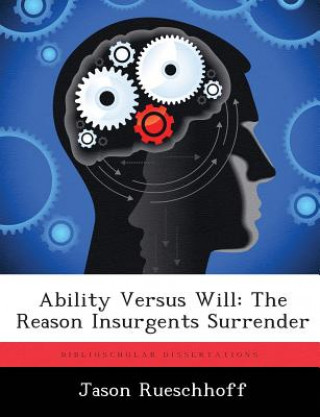
This study analyzes the concept of surrender in both conventional and unconventional war. It closely investigates the ties between military ability and political will in the inducement of surrender. The study begins with a discussion of terminology and definitions as boundaries for the arguments that follow. It then argues that the three main decision points in war all involve a choice: to start a war, to continue a war, and to end a war. The remainder of the work contends that success in war centers on altering the pertinent aspects of that decision making. The study then examines the German and Japanese situations in World War II that ended in their surrender. The author highlights both ability and will as components that form what the author refers to as capability level. He then explains that the nation(s) with superior relative capability levels have better chances for wartime success.


Informatie over het boek
Engels
Categorieën

Geef dit boek vandaag nog cadeau
Dat gaat heel eenvoudig
1 Voeg het boek toe aan je winkelwagentje en selecteer Als cadeau bezorgen 2 Je krijgt van ons per omgaand een voucher 3 Het boek wordt bezorgd op het adres van de ontvangerDit vind je misschien ook interessant
 /
/
 Gebonden (paperback)
 14.88
€
14.88
€





 /
Gebonden (paperback)
23.79
€
/
Gebonden (paperback)
23.79
€
















Hoi! Ik ben Libroamiko, je boekadviseur.
Hoe kan ik je helpen?