
 Contact
 Hoe winkelen bij ons werkt
Bezorging
Winkelgids
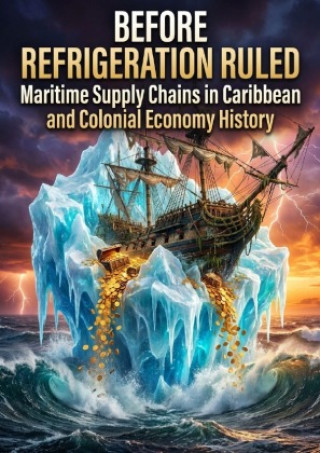
Before Refrigeration Ruled
Maritime Supply Chains in Caribbean and Colonial Economy History.DE
 Engels
 130 b
130 b
 Nieuw
Nieuw
Tot 30 dagen retourrecht

Long before electric cooling transformed cities, wooden ships carried melting cargo through equatorial waters. The nineteenth century ice business exposed how vulnerable industrial systems could still reshape entire societies.Frederic Tudor entered a commercial world that considered exporting ice impossible. Yet through relentless experimentation, he established shipping routes linking frozen lakes in Massachusetts to colonial markets in the Caribbean and South Asia. Business correspondence, insurance records, and warehouse accounts reveal constant instability beneath the industry's public success. Captains miscalculated temperatures, harbor delays destroyed cargoes, and tropical humidity threatened profits at every stage. Still, imported ice altered medicine, dining culture, military hospitals, and elite social life across British colonial territories. The emergence of insulated storage facilities and coordinated port logistics foreshadowed later global refrigeration networks that would redefine food distribution worldwide.The story is not merely about invention, but about the economic imagination required to commercialize something nature could erase before arrival.


Informatie over het boek
Engels

Geef dit boek vandaag nog cadeau
Dat gaat heel eenvoudig
1 Voeg het boek toe aan je winkelwagentje en selecteer Als cadeau bezorgen 2 Je krijgt van ons per omgaand een voucher 3 Het boek wordt bezorgd op het adres van de ontvangerHoi! Ik ben Libroamiko, je boekadviseur.
Hoe kan ik je helpen?