
 Contact
 Hoe winkelen bij ons werkt
Bezorging
Winkelgids
 Engels
 95 b
95 b
Tot 30 dagen retourrecht
Klanten kochten ook






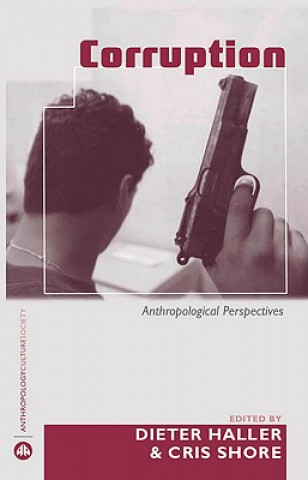
Corruption in politics and business is, after war, perhaps the greatest threat to democracy. Academic studies of corruption tend to come from the field of International Relations, analysing systems of formal rules and institutions. This book offers a radically different perspective -- it shows how anthropology can throw light on aspects of corruption that remain unexamined in international relations. The contributors reveal how corruption operates through informal rules, personal connections and the wider social contexts that govern everyday practices. They argue that patterns of corruption are part of the fabric of everyday life -- wherever we live -- and subsequently they are often endemic in our key institutions. The book examines corruption across a range of different contexts from transitional societies such as post-Soviet Russia and Romania, to efforts to reform or regulate institutions that are perceived to be potentially corrupt, such as the European Commission. The book also covers the Enron and WorldCom scandals, the mafia in Sicily and the USA, and the world of anti-corruption as represented by NGOs like Transparency International.


Informatie over het boek
Engels

Geef dit boek vandaag nog cadeau
Dat gaat heel eenvoudig
1 Voeg het boek toe aan je winkelwagentje en selecteer Als cadeau bezorgen 2 Je krijgt van ons per omgaand een voucher 3 Het boek wordt bezorgd op het adres van de ontvangerDit vind je misschien ook interessant




Hoi! Ik ben Libroamiko, je boekadviseur.
Hoe kan ik je helpen?