
 Contact
 Hoe winkelen bij ons werkt
Bezorging
Winkelgids
Disability in the Ottoman Arab World, 1500-1800
 Engels
 323 b
323 b
Tot 30 dagen retourrecht
Klanten kochten ook





 /
/
 Gebonden (paperback)
 30.62
€
30.62
€








 /
Gebonden (paperback)
52.89
€
/
Gebonden (paperback)
52.89
€


 /
Gebonden (paperback)
31.93
€
/
Gebonden (paperback)
31.93
€






 /
Gebonden (paperback)
2.21
€
/
Gebonden (paperback)
2.21
€

 /
Gebonden (paperback)
44.33
€
/
Gebonden (paperback)
44.33
€



 /
Gebonden (paperback)
8.15
€
/
Gebonden (paperback)
8.15
€


 /
Gebonden (paperback)
48.76
€
/
Gebonden (paperback)
48.76
€

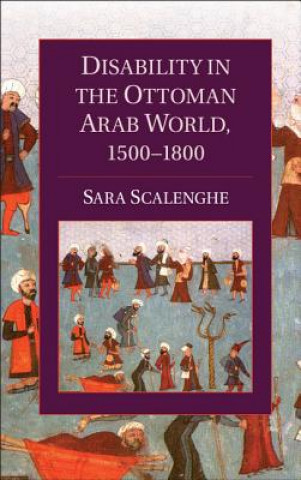
Physical, sensory, and mental impairments can influence an individual's status in society as much as the more familiar categories of gender, class, religion, race, and ethnicity. This was especially true of the early modern Arab Ottoman world, where being judged able or disabled impacted every aspect of a person's life, including performance of religious ritual, marriage, job opportunities, and the ability to buy and sell property. Sara Scalenghe's book is the first on the history of both physical and mental disabilities in the Middle East and North Africa, and the first to examine disability in the non-Western world before the nineteenth century. Unlike previous scholarly works that examine disability as discussed in religious texts such as the Qur'an and the Hadith, this study focuses on representations and classifications of disability and impairment across a wide range of biographical, legal, medical, and divinatory primary sources. As such, this is a socio-cultural history that seeks to explain how blindness, deafness and muteness, intersex conditions, and certain mental impairments were understood and experienced in a specific Arab-Islamic context within the geographical area that includes present-day Egypt, Syria, Lebanon, Jordan, and Palestine/Israel under Ottoman rule in the early modern period.


Informatie over het boek
Engels
Categorieën

Geef dit boek vandaag nog cadeau
Dat gaat heel eenvoudig
1 Voeg het boek toe aan je winkelwagentje en selecteer Als cadeau bezorgen 2 Je krijgt van ons per omgaand een voucher 3 Het boek wordt bezorgd op het adres van de ontvangerDit vind je misschien ook interessant

 /
Ringband
75.76
€
/
Ringband
75.76
€










 /
Gebonden (paperback)
9.26
€
/
Gebonden (paperback)
9.26
€





 /
Gebonden (paperback)
26.49
€
/
Gebonden (paperback)
26.49
€

 /
Gebonden (harde band)
153.75
€
/
Gebonden (harde band)
153.75
€



Hoi! Ik ben Libroamiko, je boekadviseur.
Hoe kan ik je helpen?