
 Contact
 Hoe winkelen bij ons werkt
Bezorging
Winkelgids
 Engels
 80 b
80 b
Tot 30 dagen retourrecht
Klanten kochten ook







 /
/
 Gebonden (paperback)
 16.13
€
16.13
€











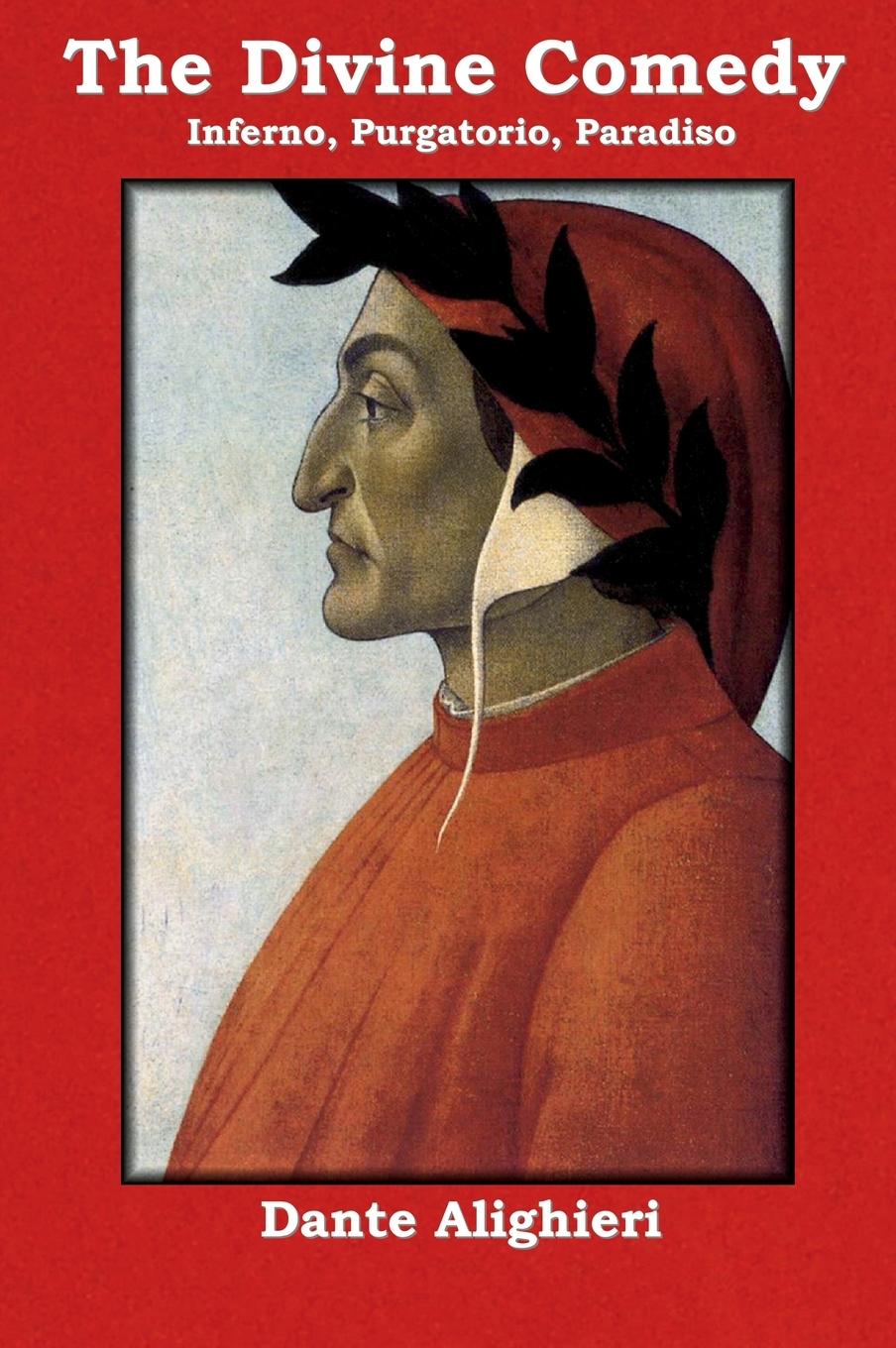
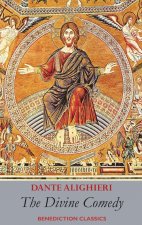
The Divine Comedy (Italian: La Divina Commedia) is an epic poem written by Dante Alighieri between 1308 and his death in 1321. It is widely considered the preeminent work of Italian literature, and is seen as one of the greatest works of world literature. The poem's imaginative and allegorical vision of the Christian afterlife is a culmination of the medieval world-view as it had developed in the Western Church. It helped establish the Tuscan dialect in which it is written as the Italian standard. It is divided into three parts, the Inferno, Purgatorio, and Paradiso.
On the surface the poem describes Dante's travels through Hell, Purgatory, and Heaven; but at a deeper level it represents allegorically the soul's journey towards God. At this deeper level, Dante draws on medieval Christian theology and philosophy, especially the teachings of Thomas Aquinas. At the surface level, the poem is understood to be fictional.


Informatie over het boek
Engels
Categorieën

Geef dit boek vandaag nog cadeau
Dat gaat heel eenvoudig
1 Voeg het boek toe aan je winkelwagentje en selecteer Als cadeau bezorgen 2 Je krijgt van ons per omgaand een voucher 3 Het boek wordt bezorgd op het adres van de ontvangerDit vind je misschien ook interessant



 /
Gebonden (paperback)
14.72
€
/
Gebonden (paperback)
14.72
€









Hoi! Ik ben Libroamiko, je boekadviseur.
Hoe kan ik je helpen?