
 Contact
 Hoe winkelen bij ons werkt
Bezorging
Winkelgids
 Engels
 36 b
36 b
 Nieuw
Nieuw
Tot 30 dagen retourrecht

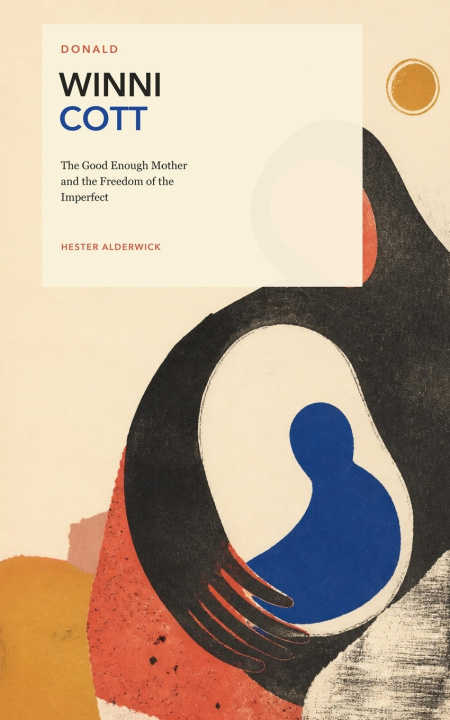
Two phrases out of the whole of psychoanalysis have entered ordinary speech without anyone having to explain them. One is the Freudian slip. The other is good enough.
The second came from a paediatrician who spent forty years at a clinic in west London and sixty evenings in front of a BBC microphone, talking to mothers rather than about them. His central claim was deliberately modest. The ordinary devoted mother does not need to be perfect, and the child is better served if she is not, because it is her small and unavoidable failures that let an infant discover that anything exists outside its own wishing.
Around that modesty Winnicott built an unusually supple body of thought: the transitional object that a child drags everywhere and that is neither quite itself nor quite the world, the space of play as the place where culture begins, the holding environment, and the false self that forms when a person learns to adapt too early and too well. He also wrote openly about a mother's hatred of her infant, which cost him readers and was probably the most useful thing he ever said.
This book follows how those ideas were made, out of what materials and under what pressures, and what became of them once the phrase escaped into common use and hardened into a slogan. It is a work of intellectual history, not a parenting guide and not a reassurance.


Informatie over het boek
Engels
