
 Contact
 Hoe winkelen bij ons werkt
Bezorging
Winkelgids
 Engels
 606 b
606 b
Retourneren binnen 30 dagen
Klanten kochten ook

 /
/
 Gebonden (paperback)
 9.51
€
9.51
€
 /
Gebonden (paperback)
2.83
€
/
Gebonden (paperback)
2.83
€






 /
Gebonden (paperback)
32.09
€
/
Gebonden (paperback)
32.09
€




 /
Gebonden (paperback)
24.70
€
/
Gebonden (paperback)
24.70
€








 /
Gebonden (paperback)
12.95
€
/
Gebonden (paperback)
12.95
€







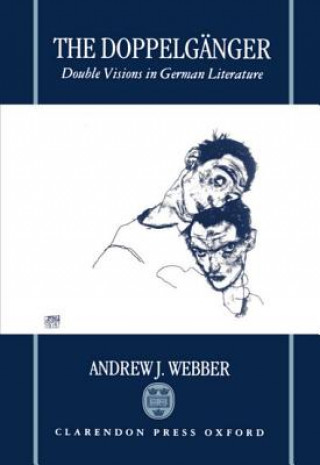
Ever since its literary coinage in Jean Paul's novel, Siebenkas (1796), the concept of Doppelganger has had significant influence upon representations of the self in German literature. This study charts the development of the double from its origins in the Romantic period, through its more marginal - but nonetheless significant - manifestations in the post-Romantic culture, to its revival at the fin-de-siecle and transfer to the silent screen. The book features an introduction to the practice and theory underlying the use of the Doppelganger, with particular reference to psychoanalysis, followed by chapters on Jean Paul, Hoffmann, Kleist, poetic realism (Droste-Hulshoff, Keller, Storm) and modernism (Kafka, Rilke, Hoffmannsthal, Schnitzler, Meyrink, Werfal). This study shows that the often underestimated figure of the double may provide a key to the epistomological, aesthetic and psychosexual structures of the texts it visits and revisits, with a particular focus on its effects in the fields of vision and language.


Informatie over het boek
Engels

Geef dit boek vandaag nog cadeau
Dat gaat heel eenvoudig
1 Voeg het boek toe aan je winkelwagentje en selecteer Als cadeau bezorgen 2 Je krijgt van ons per omgaand een voucher 3 Het boek wordt bezorgd op het adres van de ontvangerDit vind je misschien ook interessant



 /
Gebonden (paperback)
9.41
€
/
Gebonden (paperback)
9.41
€

 /
Gebonden (paperback)
32.80
€
/
Gebonden (paperback)
32.80
€




 /
Gebonden (paperback)
51.43
€
/
Gebonden (paperback)
51.43
€
 /
Gebonden (paperback)
57.71
€
/
Gebonden (paperback)
57.71
€




 /
Gebonden (harde band)
226.51
€
/
Gebonden (harde band)
226.51
€




Hoi! Ik ben Libroamiko, je boekadviseur.
Hoe kan ik je helpen?