
 Contact
 Hoe winkelen bij ons werkt
Bezorging
Winkelgids
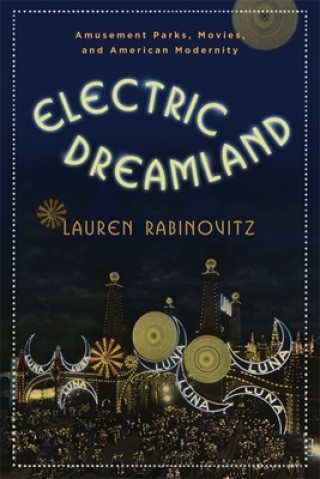
Electric Dreamland
 Engels
 92 b
92 b
Tot 30 dagen retourrecht
Klanten kochten ook

 /
/
 Gebonden (paperback)
 21.43
€
21.43
€
















 /
Gebonden (paperback)
32.04
€
/
Gebonden (paperback)
32.04
€

 /
Gebonden (paperback)
53.08
€
/
Gebonden (paperback)
53.08
€

Amusement parks were the playgrounds of the working class in the early twentieth century, combining numerous, mechanically-based spectacles into one unique, modern cultural phenomenon. Lauren Rabinovitz describes the urban modernity engendered by these parks and their media, encouraging ordinary individuals to sense, interpret, and embody a burgeoning national identity. As industrialization, urbanization, and immigration upended society, amusement parks tempered the shocks of racial, ethnic, and cultural conflict while shrinking the distinctions between gender and class. Following the rise of American parks from 1896 to 1918, Rabinovitz seizes on a simultaneous increase in cinema and spectacle audiences and connects both to the success of leisure activities in stabilizing society. Critics of the time often condemned parks and movies for inciting moral decline, yet in fact they fostered women's independence, racial uplift, and assimilation. The rhythmic, mechanical movements of spectacle also conditioned audiences to process multiple stimuli. Featuring illustrations from private collections and accounts from unaccessed archives, Electric Dreamland joins film and historical analyses in a rare portrait of mass entertainment and the modern eye.


Informatie over het boek
Engels

Geef dit boek vandaag nog cadeau
Dat gaat heel eenvoudig
1 Voeg het boek toe aan je winkelwagentje en selecteer Als cadeau bezorgen 2 Je krijgt van ons per omgaand een voucher 3 Het boek wordt bezorgd op het adres van de ontvangerDit vind je misschien ook interessant

 /
Gebonden (paperback)
19.20
€
/
Gebonden (paperback)
19.20
€


 /
Gebonden (paperback)
10.30
€
/
Gebonden (paperback)
10.30
€
 /
Gebonden (paperback)
11.72
€
/
Gebonden (paperback)
11.72
€




 /
Gebonden (harde band)
234.88
€
/
Gebonden (harde band)
234.88
€







Hoi! Ik ben Libroamiko, je boekadviseur.
Hoe kan ik je helpen?