
 Contact
 Hoe winkelen bij ons werkt
Bezorging
Winkelgids
Garden and the Fire
 Engels
 92 b
92 b
Tot 30 dagen retourrecht
Klanten kochten ook



 /
/
 Adobe ePub DRM
 3.23
€
3.23
€


 /
/
 Gebonden (paperback)
70.55
€
Gebonden (paperback)
70.55
€


 /
Gebonden (harde band)
17.28
€
/
Gebonden (harde band)
17.28
€
 /
Gebonden (paperback)
31.63
€
/
Gebonden (paperback)
31.63
€







 /
Gebonden (paperback)
20.92
€
/
Gebonden (paperback)
20.92
€

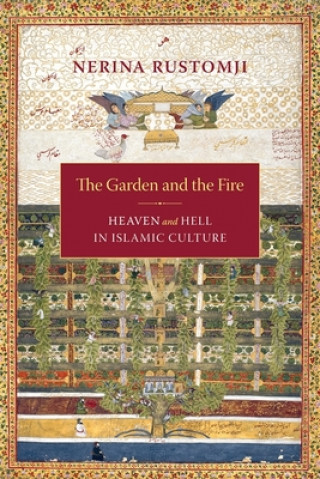
Islamic conceptions of heaven and hell began in the seventh century as an early doctrinal innovation, but by the twelfth century, these notions had evolved into a highly formalized ideal of perfection. In tracking this transformation, Nerina Rustomji reveals the distinct material culture and aesthetic vocabulary Muslims developed to understand heaven and hell and identifies the communities and strategies of defense that took shape around the promise of a future world. Ideas of the afterworld profoundly influenced daily behaviors in Islamic society and gave rise to a code of ethics that encouraged abstinence from sumptuous objects, such as silver vessels and silk, so they could be appreciated later in heaven. Rustomji conducts a meticulous study of texts and images and carefully connects the landscape and social dynamics of the afterworld with earthly models and expectations. Male servants and female companions become otherworldly objects in the afterlife, and stories of rewards and punishment helped preachers promote religious reform. By employing material culture as a method of historical inquiry, Rustomji points to the reflections, discussions, and constructions that actively influenced Muslims' picture of the afterworld, culminating in a distinct religious aesthetic.


Informatie over het boek
Engels

Geef dit boek vandaag nog cadeau
Dat gaat heel eenvoudig
1 Voeg het boek toe aan je winkelwagentje en selecteer Als cadeau bezorgen 2 Je krijgt van ons per omgaand een voucher 3 Het boek wordt bezorgd op het adres van de ontvangerDit vind je misschien ook interessant



 /
Gebonden (paperback)
12.63
€
/
Gebonden (paperback)
12.63
€

 /
Gebonden (paperback)
10.30
€
/
Gebonden (paperback)
10.30
€
 /
Gebonden (paperback)
107.15
€
/
Gebonden (paperback)
107.15
€
 /
Gebonden (paperback)
8.58
€
/
Gebonden (paperback)
8.58
€




 /
Gebonden (harde band)
164.47
€
/
Gebonden (harde band)
164.47
€

 /
Gebonden (paperback)
23.04
€
/
Gebonden (paperback)
23.04
€






Hoi! Ik ben Libroamiko, je boekadviseur.
Hoe kan ik je helpen?