
 Contact
 Hoe winkelen bij ons werkt

Bezorging
Winkelgids
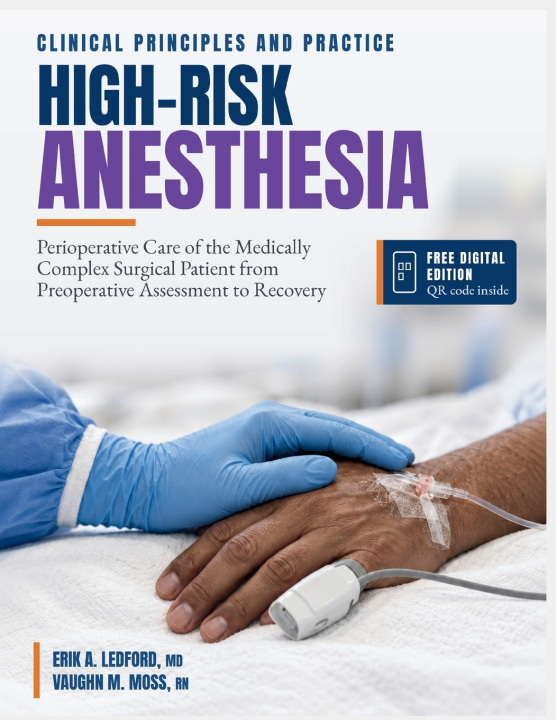
High-Risk Anesthesia
Clinical Principles and Practice: Perioperative Care of the Medically Complex Surgical Patient from Preoperative Assessment to Recovery
 Engels
 544 b
 Nieuw
 Wordt voor Kerst bezorgd ▾
In extern magazijn
Wordt binnen 14-21 dagen verzonden
Tot 30 dagen retourrecht

When physiologic reserve is limited, every anesthetic decision matters.
A failing heart. A compromised airway. Advanced kidney disease. Several conditions competing for attention before a single operation. Caring for the medically complex surgical patient requires more than recognizing risk. It requires understanding how disease changes the response to anesthesia and how those changes shape the entire perioperative plan.
High-Risk Anesthesia: Clinical Principles and Practice connects the physiology of serious illness with the decisions anesthesia professionals face before, during, and after surgery.
Across 41 chapters, the book follows the patient from preoperative assessment and optimization through anesthetic technique, intraoperative management, postoperative monitoring, and escalation of care. Its organ-system approach helps readers explore individual conditions while keeping the wider clinical picture in view.
Coverage includes:
Cardiovascular challenges: coronary disease and stents, heart failure, cardiomyopathy, valvular disease, arrhythmias, and pulmonary hypertension.
Respiratory disease and airway management: obstructive and restrictive lung disease, sleep apnea, difficult airways, aspiration risk, and one-lung ventilation.
Complex medical conditions: renal and liver disease, diabetes, endocrine disorders, neuromuscular disease, coagulopathy, and opioid tolerance.
Special populations and demanding settings: pregnancy, pediatric and older patients, trauma, sepsis, emergency surgery, and anesthesia outside the operating room.
Crisis recognition and recovery: intraoperative collapse, postoperative complications, communication, and planning for timely escalation.
Clinical vignettes, explanatory figures, chapter summaries, and key-concept boxes bring the discussion into focus. "Decisions This Patient Forces" sections encourage readers to connect what they know about the disease with what they need to decide for the patient.
Written for anesthesia trainees and practicing anesthesia professionals, this book emphasizes clinical reasoning: why a patient is vulnerable, which interventions may help, and how the team can prepare for deterioration. Its focus is on principles and planning rather than drug-dose tables.
Understand the physiology. Anticipate the hazards. Build a more considered perioperative plan.


Informatie over het boek
Engels
Categorieën

Geef dit boek vandaag nog cadeau
Dat gaat heel eenvoudig
1 Voeg het boek toe aan je winkelwagentje en selecteer Als cadeau bezorgen 2 Je krijgt van ons per omgaand een voucher 3 Het boek wordt bezorgd op het adres van de ontvangerHoi! Ik ben Libroamiko, je boekadviseur.
Hoe kan ik je helpen?