
 Contact
 Hoe winkelen bij ons werkt
Bezorging
Winkelgids
Holy Reich
 Engels
 68 b
68 b
Tot 30 dagen retourrecht
Klanten kochten ook





 /
/
 Paperback
 12.31
€
12.31
€










 /
Gebonden
21.12
€
/
Gebonden
21.12
€



 /
Paperback
13.51
€
/
Paperback
13.51
€


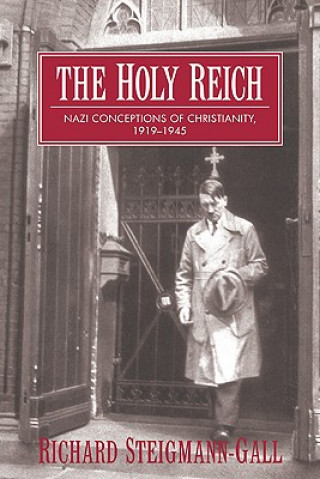
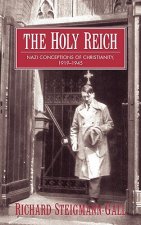
Analyzing the previously unexplored religious views of the Nazi elite, Richard Steigmann-Gall argues against the consensus that Nazism as a whole was either unrelated to Christianity or actively opposed to it. He demonstrates that many participants in the Nazi movement believed that the contours of their ideology were based on a Christian understanding of Germany's ills and their cure. A program usually regarded as secular in inspiration - the creation of a racialist 'people's community' embracing antisemitism, antiliberalism and anti-Marxism - was, for these Nazis, conceived in explicitly Christian terms. His examination centers on the concept of 'positive Christianity,' a religion espoused by many members of the party leadership. He also explores the struggle the 'positive Christians' waged with the party's paganists - those who rejected Christianity in toto as foreign and corrupting - and demonstrates that this was not just a conflict over religion, but over the very meaning of Nazi ideology itself.


Informatie over het boek
Engels
Categorieën

Geef dit boek vandaag nog cadeau
Dat gaat heel eenvoudig
1 Voeg het boek toe aan je winkelwagentje en selecteer Als cadeau bezorgen 2 Je krijgt van ons per omgaand een voucher 3 Het boek wordt bezorgd op het adres van de ontvangerDit vind je misschien ook interessant






















Hoi! Ik ben Libroamiko, je boekadviseur.
Hoe kan ik je helpen?