
 Contact
 Hoe winkelen bij ons werkt
Bezorging
Winkelgids
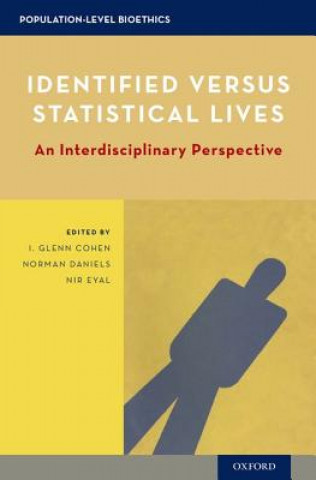
Identified versus Statistical Lives
An Interdisciplinary Perspective
 Engels
 187 b
187 b
Tot 30 dagen retourrecht
Klanten kochten ook





 /
/
 Gebonden (paperback)
 31.21
€
31.21
€




On August 5, 2010, a cave-in left thirty-three Chilean miners trapped underground. The Chilean government embarked on a massive rescue effort that is estimated to have cost between ten and twenty million dollars. There is a puzzle here. Many mine safety measures that would have been more cost effective had not been taken in Chile earlier, either by the mining companies, the Chilean government or by international donors. The Chilean story illustrates a persistent puzzle: the identified lives effect. Human beings show a greater inclination to assist persons and groups identified as those at high risk of great harm than to assist persons and groups who will suffer - or already suffer - similar harm but are not identified as yet. The problem touches almost every aspect of human life and politics: health, the environment, the law. What can social and cognitive sciences teach us about the origin and triggers of the effect? Philosophically and ethically, is the effect a "bias" to be eliminated or is it morally justified? What implications does the effect have for health care, law, the environment and other practice domains? This volume is the first book to tackle the effect from all necessary perspectives: psychology, public health, law, ethics, and public policy.


Informatie over het boek
Engels

Geef dit boek vandaag nog cadeau
Dat gaat heel eenvoudig
1 Voeg het boek toe aan je winkelwagentje en selecteer Als cadeau bezorgen 2 Je krijgt van ons per omgaand een voucher 3 Het boek wordt bezorgd op het adres van de ontvangerDit vind je misschien ook interessant


 /
Gebonden (paperback)
51.31
€
/
Gebonden (paperback)
51.31
€



 /
Gebonden (harde band)
40.60
€
/
Gebonden (harde band)
40.60
€






 /
Gebonden (paperback)
49.19
€
/
Gebonden (paperback)
49.19
€










Hoi! Ik ben Libroamiko, je boekadviseur.
Hoe kan ik je helpen?