
 Contact
 Hoe winkelen bij ons werkt
Bezorging
Winkelgids
Illicit Financial Flows
 Engels
 134 b
134 b
Tot 30 dagen retourrecht
Klanten kochten ook
















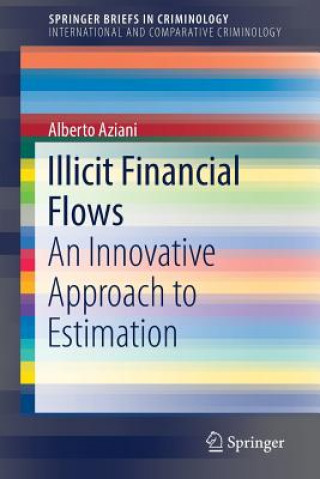
Illicit Financial Flows (IFFs) have received increased attention in light of international corruption scandals, high-profile leaks about extensive tax abuse schemes, and the continued fight against terrorism financing and organized crime. Indeed, reducing IFFs is now a key target of the UN Sustainable Development Goals and other notable institutions. Consequently, there are renewed debates about both how to operationally define IFF and the methodologies that are used to estimate the extent of IFFs. This is because, despite its contemporary prominence, the concept itself remains ambiguous, whilst the current estimation strategies are undermined by several limitations. This book addresses these key issues, by investigating and schematizing the concept of IFF and critically evaluating the current models used to estimate IFFs. From this, the book proposes an original flow-network approach through which to produce longitudinal and country-specific estimates of IFFs and the gross value added related to the transnational trafficking. Finally, the book advocates for a reformulation of the current definition of IFFs to one that is more specific and operationalizable; doing so will allow scholars and policy-makers to better clarify the relationship between IFFs, the sources of capital and the channels that are used to move capital abroad.


Informatie over het boek
Engels

Geef dit boek vandaag nog cadeau
Dat gaat heel eenvoudig
1 Voeg het boek toe aan je winkelwagentje en selecteer Als cadeau bezorgen 2 Je krijgt van ons per omgaand een voucher 3 Het boek wordt bezorgd op het adres van de ontvangerDit vind je misschien ook interessant









Hoi! Ik ben Libroamiko, je boekadviseur.
Hoe kan ik je helpen?