
 Contact
 Hoe winkelen bij ons werkt
Bezorging
Winkelgids
 Engels
 148 b
148 b
Tot 30 dagen retourrecht

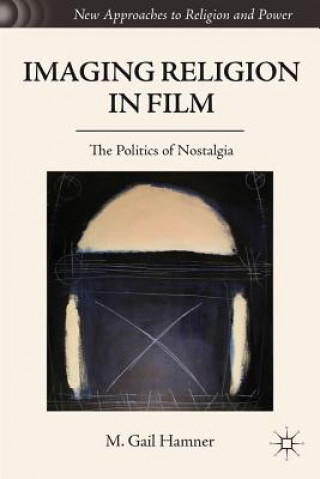
Imaging Religion in Film offers a new methodology for examining the ethico-political dimensions of religion and film, one that foregrounds film's social power both to shape subjectivity and to image contemporary social contradictions. Specifically, the text develops a Foucauldian ethics of the subject, or "pedagogy of self," a Deleuzian-Peircean semiotic for discussing religion in film, and a theory of religion within postmodernity that rethinks transcendence alongside a politically galvanizing nostalgia. This theoretical work prefaces analyses of three specific films: Kurosawa's Dersu Uzala (1972); Kiarostami's Taste of Cherry (1997); and the Coens' The Man Who Wasn't There (2001).


Informatie over het boek
Engels

Geef dit boek vandaag nog cadeau
Dat gaat heel eenvoudig
1 Voeg het boek toe aan je winkelwagentje en selecteer Als cadeau bezorgen 2 Je krijgt van ons per omgaand een voucher 3 Het boek wordt bezorgd op het adres van de ontvangerHoi! Ik ben Libroamiko, je boekadviseur.
Hoe kan ik je helpen?