
 Contact
 Hoe winkelen bij ons werkt
Bezorging
Winkelgids
 Engels
 264 b
264 b
Tot 30 dagen retourrecht
Klanten kochten ook














 /
/
 Boek
Boek
 22.34
€
22.34
€







 /
Gebonden (paperback)
68.46
€
/
Gebonden (paperback)
68.46
€


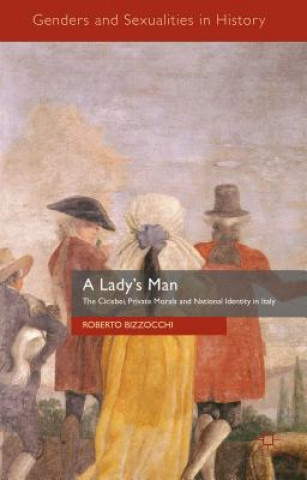
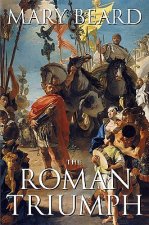
Three people in a marriage: a woman and two men. This was the eighteenth-century Italian aristocratic model of marriage, characterized by the presence of the cicisbeo, the official escort of another man's wife. Did this delineate a clear and brazen sexual depravity or rather a complex and refined social institution, revealing many aspects of Italian civilization in the Age of the Enlightenment? Not only was the presence of a cicisbeo part of a matrimonial, family model; it was also an important factor socially and politically. In a period in which the presence of women at parties was sought - at the theatre and in salons - the lady's escort played an essential part in promoting a couple's social life. Indeed, the company and friendship (and perhaps love) which bound a lady and her escort occurred with the knowledge and under the control of the families of the interested parties. Of course, this 'triangular' arrangement was not unproblematic. The existence of a third party posed a threat to conjugal fidelity and the legitimacy of offspring and, towards the early nineteenth century, when the ideals of Romanticism and the French Revolution were popular there was a rapid decline in the practice. For as Italy reconstructed its national identity alongside other modern European countries the image of private immorality associated with cicisbeism constituted an intolerable blemish.


Informatie over het boek
Engels

Geef dit boek vandaag nog cadeau
Dat gaat heel eenvoudig
1 Voeg het boek toe aan je winkelwagentje en selecteer Als cadeau bezorgen 2 Je krijgt van ons per omgaand een voucher 3 Het boek wordt bezorgd op het adres van de ontvangerDit vind je misschien ook interessant



 /
Gebonden (paperback)
34.48
€
/
Gebonden (paperback)
34.48
€
 /
Gebonden (paperback)
15.77
€
/
Gebonden (paperback)
15.77
€
 /
Gebonden (paperback)
11.22
€
/
Gebonden (paperback)
11.22
€


 /
Gebonden (paperback)
22.04
€
/
Gebonden (paperback)
22.04
€




 /
Gebonden (paperback)
31.44
€
/
Gebonden (paperback)
31.44
€






Hoi! Ik ben Libroamiko, je boekadviseur.
Hoe kan ik je helpen?