
 Contact
 Hoe winkelen bij ons werkt
Bezorging
Winkelgids
Machinery of Government
 Engels
 313 b
313 b
Tot 30 dagen retourrecht
Klanten kochten ook



 /
/
 Gebonden (paperback)
 21.65
€
21.65
€







 /
Gebonden (paperback)
14.50
€
/
Gebonden (paperback)
14.50
€


 /
Gebonden (paperback)
8.35
€
/
Gebonden (paperback)
8.35
€



 /
Gebonden (paperback)
10.97
€
/
Gebonden (paperback)
10.97
€

 /
Gebonden (paperback)
28.20
€
/
Gebonden (paperback)
28.20
€

 /
Gebonden (paperback)
49.45
€
/
Gebonden (paperback)
49.45
€



 /
Gebonden (paperback)
19.13
€
/
Gebonden (paperback)
19.13
€
 /
Gebonden (paperback)
14.19
€
/
Gebonden (paperback)
14.19
€
 /
Gebonden (paperback)
26.59
€
/
Gebonden (paperback)
26.59
€

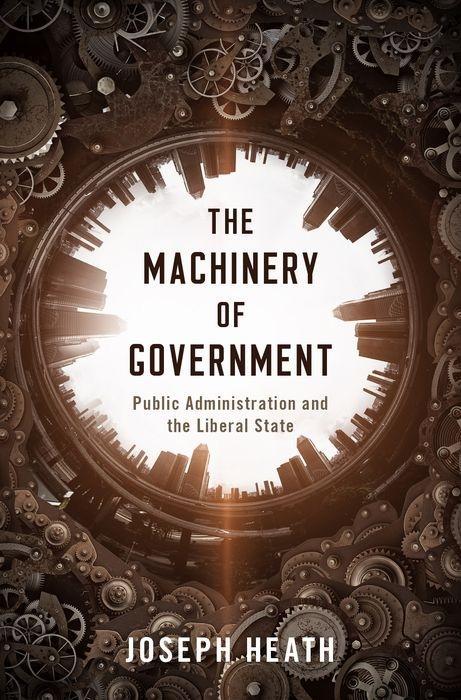
In political theory, the traditional model of state power was that elected officials make policy decisions which are then faithfully executed by a lower cadre of public servants. The complexity of the modern state, however, leaves this model outdated. The vast number of economic and social problems it confronts is such that a great deal of rule-making power is now delegated to a class of civil servants. Yet many political philosophers have not taken this model up, and the field has ignored the important role played by the class of "permanent" state officials—the "deep state" as some call it—in liberal states. In most liberal democracies for example, the central bank is as independent as the supreme court, yet deals with a wide range of economic, social, and political issues. How do these public servants make these policy decisions? What normative principles inform their judgments? In The Machinery of Government, Joseph Heath attempts to answer these questions. He looks to the actual practice of public administration to see how normative questions are addressed. More broadly, he attempts to provide the outlines of a "philosophy of the executive" by taking seriously the claim to political authority of the most neglected of the three branches of the state. Heath both provides a corrective to the prevailing tendency to underestimate the contribution of civil servants to the success of liberal-democratic welfare states, and suggests a more satisfactory account of the principles implicit in public administration.


Informatie over het boek
Engels

Geef dit boek vandaag nog cadeau
Dat gaat heel eenvoudig
1 Voeg het boek toe aan je winkelwagentje en selecteer Als cadeau bezorgen 2 Je krijgt van ons per omgaand een voucher 3 Het boek wordt bezorgd op het adres van de ontvangerDit vind je misschien ook interessant














 /
Gebonden (harde band)
22.76
€
/
Gebonden (harde band)
22.76
€


 /
Gebonden (harde band)
116.24
€
/
Gebonden (harde band)
116.24
€


Hoi! Ik ben Libroamiko, je boekadviseur.
Hoe kan ik je helpen?