
 Contact
 Hoe winkelen bij ons werkt
Bezorging
Winkelgids
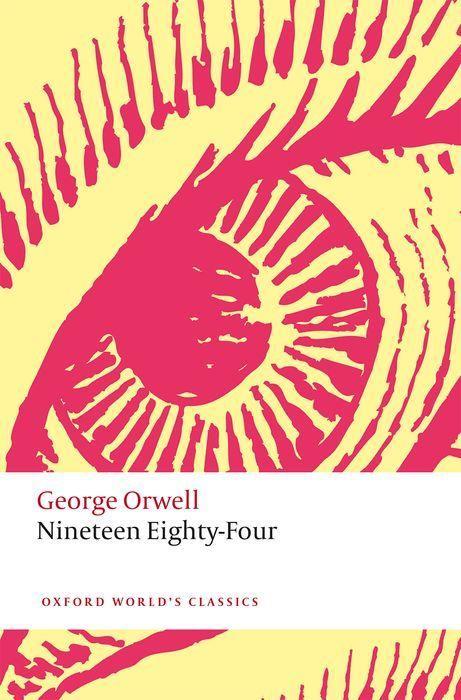
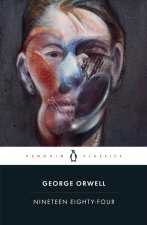
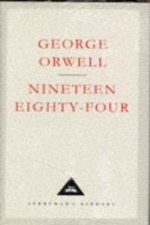
Nineteen Eighty-Four
 Engels
 25 b
25 b
Tot 30 dagen retourrecht
Klanten kochten ook
















'If you want a picture of the future, imagine a boot stamping on a human face—forever.' Nineteen Eighty-Four (1949), George Orwell's final novel, was completed in difficult conditions shortly before his early death. It is one of the most influential and widely-read novels of the post-war period, and has been a huge international bestseller over many decades. Continually in print, it has long been controversial, both in its immediate Cold War context and in later history. It is in some ways a realist novel, but in others is more akin to a work of science fiction, a dystopia or a satire. It also has strong affiliations to Gothic in its plotting, motifs and affective states. Full of horror and terror, it contains prophetic dreams and a central character who thinks of himself as a 'monster', a 'ghost' and 'already dead'. Like Frankenstein and Dracula, it is fascinated by the power of a documentary remnant addressed to an unknown reader.


Informatie over het boek
Engels
Categorieën

Geef dit boek vandaag nog cadeau
Dat gaat heel eenvoudig
1 Voeg het boek toe aan je winkelwagentje en selecteer Als cadeau bezorgen 2 Je krijgt van ons per omgaand een voucher 3 Het boek wordt bezorgd op het adres van de ontvangerDit vind je misschien ook interessant









Hoi! Ik ben Libroamiko, je boekadviseur.
Hoe kan ik je helpen?