
 Contact
 Hoe winkelen bij ons werkt
Bezorging
Winkelgids
 Engels
 35 b
35 b
Retourneren binnen 30 dagen
Dit vind je misschien ook interessant






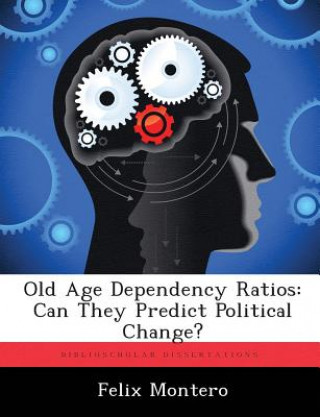
Population ageing--the process by which older individuals become a proportionally larger share of the total population--was one of the most distinctive demographic events of the twentieth century and will likely attract substantial attention in the twenty-first century2. Why is this phenomenon important? Changes to the makeup of a population can alter international balances of power, heighten national security concerns, and shift domestic resources from one special interest group to another. The latter is realized when the concerns of an increasing proportion of one portion of the population, like the older population, degrades the relative importance of younger segments in a society. As a result, changes in age composition can affect society's political, economic, and social structures3. The shifting weights of the various age groups may contribute to resource redistribution as a result of social and political pressures sought to satisfy ageing needs. This shift in resources can generate intergenerational conflict4. This paper examines ageing demographic indicators, their qualities, their demands on resources, and examines if a change in a population's composition can cause political change.


Informatie over het boek
Engels
Categorieën

Geef dit boek vandaag nog cadeau
Dat gaat heel eenvoudig
1 Voeg het boek toe aan je winkelwagentje en selecteer Als cadeau bezorgen 2 Je krijgt van ons per omgaand een voucher 3 Het boek wordt bezorgd op het adres van de ontvangerHoi! Ik ben Libroamiko, je boekadviseur.
Hoe kan ik je helpen?