Gratis verzending vanaf 59,99 euro.

Word lid van een gemeenschap van boekenliefhebbers van over de hele wereld en krijg een heleboel voordelen.
Gratis account aanmaken
Gratis bezorging met Zásilkovna boven 59.99 €
DPD koerier 5.49 €
DHL koeriersdienst 5.49 €
GLS koerier 4.99 €
DPD-punt 3.99 €
 Contact
 Hoe winkelen bij ons werkt
Help
Bezorging
DPD koerier 5.49 €
DHL koeriersdienst 5.49 €
GLS koerier 4.99 €
DPD-punt 3.99 €
Gratis bezorging met Zásilkovna boven 59.99 €
Winkelgids
Mijn account
▸
Leeg :-(
0
Gratis verzending vanaf 59,99 euro.
Taal
 Engels
Engels
Boek
Gebonden (paperback)
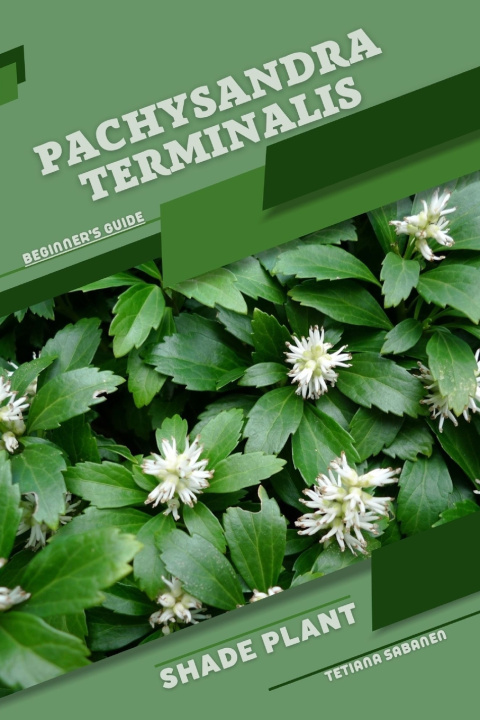
Shade plants, also known as shade-tolerant or shade-loving plants, have evolved a suite of adaptatio...
Volledige beschrijving
Libristo-code: 51084286
?
 47 b
47 b
47 b
19.31
€
In extern magazijn
Wordt binnen 14-21 dagen verzonden
Tot 30 dagen retourrecht

Shade plants, also known as shade-tolerant or shade-loving plants, have evolved a suite of adaptations that allow them to thrive in environments characterized by reduced light intensity. These plants have developed various strategies to capture and utilize available light energy efficiently. We will explore the key features and mechanisms employed by shade plants to successfully adapt to low-light conditions.
- Light Harvesting Structures:
- Light-Absorbing Pigments:
- Low-Light Photosynthetic Mechanisms:
- Light-Avoidance Responses:
- Nutrient Efficiency:
- Adaptive Morphology:
- Understory and Forest Floor Ecology:
- Tolerance to Low Light Stress:
In conclusion, shade plants have evolved a range of adaptations at the structural, physiological, and ecological levels to thrive in low-light environments. These adaptations allow them to efficiently capture, utilize, and compete for available light, ensuring their survival and growth in shaded habitats.
So, this book will tech you how to grow this plant, Scroll up and get new knowledge
Actrice
&
Polyglot
EWA KASP
voor
Video afspelen


Libristo heeft de grootste selectie boeken in vreemde talen. Daarom koop ik mijn boeken hier.
Informatie over het boek
Volledige naam
Pachysandra terminalis
Auteur
Tetiana Sabanen
Taal
Engels
Engels
Bindwijze
Boek - Gebonden (paperback)
Datum van uitgifte
2023
Aantal pagina's
98
EAN
9798860741294
Libristo-code
51084286
Uitgeverij
Independently published
Gewicht
144
Afmetingen
152 x 229 x 5
Categorieën

Geef dit boek vandaag nog cadeau
Dat gaat heel eenvoudig
1 Voeg het boek toe aan je winkelwagentje en selecteer Als cadeau bezorgen 2 Je krijgt van ons per omgaand een voucher 3 Het boek wordt bezorgd op het adres van de ontvanger
Boekadviseur Libroamiko
Door deze chat te gebruiken, communiceer je met generatieve kunstmatige intelligentie. Door het te gebruiken, ga je ook akkoord met de verwerking van persoonsgegevens.
Hoi! Ik ben Libroamiko, je boekadviseur.
Hoe kan ik je helpen?
Hoi, ik ben Libroamiko, kan ik helpen?