
 Contact
 Hoe winkelen bij ons werkt
Bezorging
Winkelgids
 Engels
 82 b
82 b
Retourneren binnen 30 dagen
Dit vind je misschien ook interessant



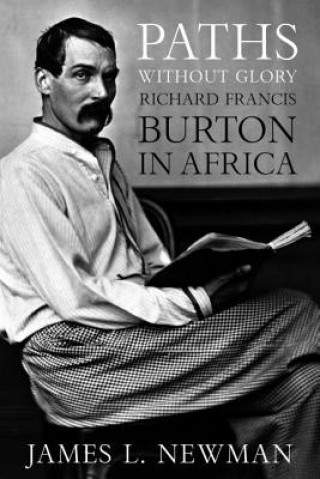
Few people have garnered so much enduring interest as Sir Richard Burton. A true polymath, Burton is best known today for his translations of the "Kama Sutra" and "Arabian Nights". Yet, Africa stood at the center of his adult life. The Burton-Speke expedition (1856-59) that put Lake Tanganyika on the map led to years of controversy over the source of the White Nile. From 1861 to 1864, Burton served as British consul in Fernando Po and traveled widely between Ghana and Angola. He wrote prodigiously and contributed some of the first detailed ethnographic accounts of Africa's peoples. In many ways, however, Africa proved to be Burton's undoing. Injuries and sickness sapped his strength, he made enemies in high places, and, ironically, even the discovery of Lake Tanganyika worked to his disadvantage. Increasingly frustrated and bitter, he turned to alcohol as a frequent remedy. Burton became a strong advocate of aggressive imperial policies. In addition, his experiences there were crucial to the ideas he articulated about race and its role in explaining human differences. In this fascinating story of the relationship between a man and a continent, geographer James L. Newman provides a more accurate picture not only of Burton but of the Africa he encountered.


Informatie over het boek
Engels
