
 Contact
 Hoe winkelen bij ons werkt
Bezorging
Winkelgids
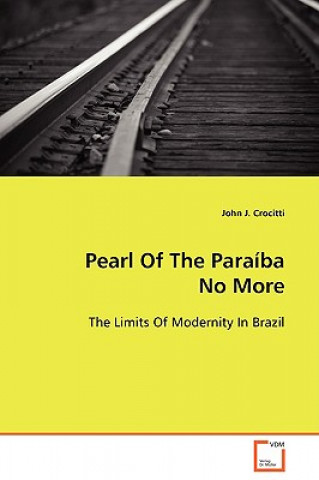
Pearl Of The Paraiba No More
 Engels
 203 b
203 b
Tot 30 dagen retourrecht
Klanten kochten ook























 /
/
 Gebonden (paperback)
 51.96
€
51.96
€





 /
Gebonden (paperback)
14.77
€
/
Gebonden (paperback)
14.77
€




Pearl Of The Paraíba No More is a case study of§Brazil s modernization over a thirty-year span during§the mid-twentieth century. This detailed study of§Barra do Piraí, a railroad junction and commercial§center in the Paraíba Valley, shows that only a§portion of the local population enjoyed the benefits§of modernization. In particular, people from the§surrounding, impoverished countryside who migrated to§Barra do Piraí typically settled on hills in the§city s periphery that lacked clean drinking water,§sewerage systems, public schools, medical posts, and§police protection. At the same time, however, people§demanded that modernization s promises be fulfilled.§ In addition, modernization of local culture§encouraged youths to behave in ways often deemed§inappropriate by their elders. Finally, as the city§entered the 1960s, crime became a serious concern and§raised fears that dangerous social outcasts, referred§to as marginais (marginals), would overtake the city.§ Confronted with these problems, few people opposed§the military dictators who might deliver§modernization s benefits and restore social order§after their coup d etat in 1964. Pearl Of The Paraíba No More is a case study of§Brazil s modernization over a thirty-year span during§the mid-twentieth century. This detailed study of§Barra do Piraí, a railroad junction and commercial§center in the Paraíba Valley, shows that only a§portion of the local population enjoyed the benefits§of modernization. In particular, people from the§surrounding, impoverished countryside who migrated to§Barra do Piraí typically settled on hills in the§city s periphery that lacked clean drinking water,§sewerage systems, public schools, medical posts, and§police protection. At the same time, however, people§demanded that modernization s promises be fulfilled.§In addition, modernization of local culture§encouraged youths to behave in ways often deemed§inappropriate by their elders. Finally, as the city§entered the 1960s, crime became a serious concern and§raised fears that dangerous social outcasts, referred§to as marginais (marginals), would overtake the city.§Confronted with these problems, few people opposed§the military dictators who might deliver§modernization s benefits and restore social order§after their coup d etat in 1964.


Informatie over het boek
Engels
Categorieën

Geef dit boek vandaag nog cadeau
Dat gaat heel eenvoudig
1 Voeg het boek toe aan je winkelwagentje en selecteer Als cadeau bezorgen 2 Je krijgt van ons per omgaand een voucher 3 Het boek wordt bezorgd op het adres van de ontvangerDit vind je misschien ook interessant


 /
Gebonden (paperback)
14.77
€
/
Gebonden (paperback)
14.77
€




 /
Gebonden (paperback)
20.90
€
/
Gebonden (paperback)
20.90
€








 /
Gebonden (harde band)
12.45
€
/
Gebonden (harde band)
12.45
€



 /
Gebonden (paperback)
35.17
€
/
Gebonden (paperback)
35.17
€

 /
Gebonden (harde band)
106.94
€
/
Gebonden (harde band)
106.94
€

Hoi! Ik ben Libroamiko, je boekadviseur.
Hoe kan ik je helpen?