Contact
 Hoe winkelen bij ons werkt
Bezorging
Winkelgids
 Engels
 472 b
472 b
Retourneren binnen 30 dagen
Klanten kochten ook












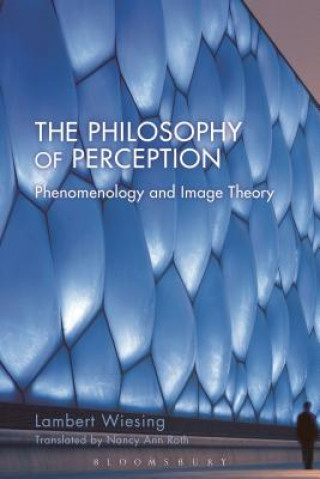
Lambert Wiesing's The Philosophy of Perception challenges current theories of perception. Instead of attempting to understand how a subject perceives the world, Wiesing starts by taking perception to be real. He then asks what this reality means for a subject. In his original approach, the question of how human perception is possible is displaced by questions about what perception obliges us to be and do. He argues that perception requires us to be embodied, to be visible, and to continually participate in the public and physical world we perceive. Only in looking at images, he proposes, can we achieve something like a break in participation, a temporary respite from this, one of perception's relentless demands. Wiesing's methods chart a markedly new path in contemporary perception theory. In addition to identifying common ground among diverse philosophical positions, he identifies how his own, phenomenological approach differs from those of many other philosophers, past and present. As part of the argument, he provides a succinct but comprehensive survey of the philosophy of images His original critical exposition presents scholars of phenomenology, perception and aesthetics with a new, important understanding of the old phenomenon, the human being in the world.


Informatie over het boek
Engels

Geef dit boek vandaag nog cadeau
Dat gaat heel eenvoudig
1 Voeg het boek toe aan je winkelwagentje en selecteer Als cadeau bezorgen 2 Je krijgt van ons per omgaand een voucher 3 Het boek wordt bezorgd op het adres van de ontvangerDit vind je misschien ook interessant




 /
/
 Gebonden (harde band)
 52.40
€
52.40
€
 /
Gebonden (paperback)
16.48
€
/
Gebonden (paperback)
16.48
€
 /
Gebonden (harde band)
34.09
€
/
Gebonden (harde band)
34.09
€