
 Contact
 Hoe winkelen bij ons werkt
Bezorging
Winkelgids
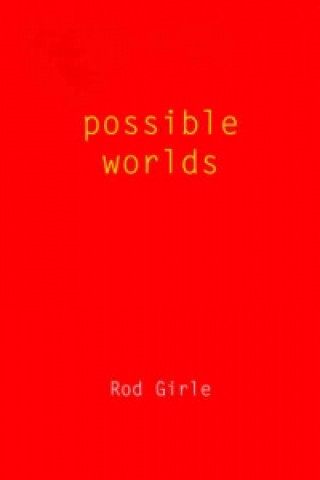
Possible Worlds
 Engels
 149 b
149 b
Retourneren binnen 30 dagen
Klanten kochten ook



 /
/
 Gebonden (paperback)
 44.55
€
44.55
€







 /
Gebonden (paperback)
69.27
€
/
Gebonden (paperback)
69.27
€

Ever since Saul Kripke and others developed a semantic interpretation for modal logic, 'possible worlds' has been a much debated issue in contemporary metaphysics. To propose the idea of a possible world that differs in some way from our actual world - for example a world where the grass is red or where no people exist - can help us to analyse and understand a wide range of philosophical concepts, such as counterfactuals, properties, modality, and of course, the notions of possibility and necessity. This book examines the ways in which possible worlds have been used as a framework for considering problems in logic and argument analysis. The book begins with a non-technical introduction to the basic ideas of modal logic in terms of Kripke's possible worlds and then moves on to a discussion of 'possible for' and 'possible that'. The central chapters examine questions of meaning, epistemic possibility, temporal logic, metaphysics, and impossibility. Girle also investigates how the idea of a possible world can be put to use in different areas of philosophy, the problems it may raise, and the benefits that can be gained.


Informatie over het boek
Engels

Geef dit boek vandaag nog cadeau
Dat gaat heel eenvoudig
1 Voeg het boek toe aan je winkelwagentje en selecteer Als cadeau bezorgen 2 Je krijgt van ons per omgaand een voucher 3 Het boek wordt bezorgd op het adres van de ontvangerDit vind je misschien ook interessant




 /
Gebonden (paperback)
27.84
€
/
Gebonden (paperback)
27.84
€

 /
Gebonden (paperback)
26.63
€
/
Gebonden (paperback)
26.63
€


 /
Gebonden (paperback)
15.08
€
/
Gebonden (paperback)
15.08
€
 /
Gebonden (paperback)
206.00
€
/
Gebonden (paperback)
206.00
€
Hoi! Ik ben Libroamiko, je boekadviseur.
Hoe kan ik je helpen?