
 Contact
 Hoe winkelen bij ons werkt
Bezorging
Winkelgids
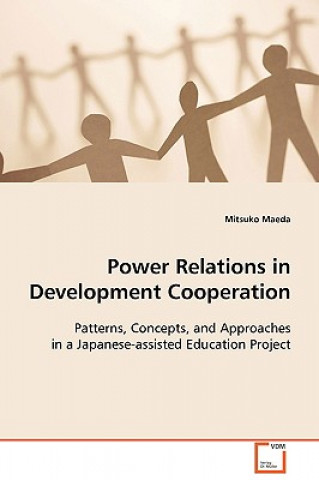
Power Relations in Development Cooperation
Patterns, Concepts, and Approaches in a Japanese-assisted Education Project
 Engels
 199 b
199 b
Retourneren binnen 30 dagen
Klanten kochten ook

 /
/
 Gebonden (paperback)
 39.58
€
39.58
€

 /
Gebonden (paperback)
28.95
€
/
Gebonden (paperback)
28.95
€






 /
Gebonden (paperback)
23.08
€
/
Gebonden (paperback)
23.08
€







 /
Gebonden (paperback)
32.60
€
/
Gebonden (paperback)
32.60
€

International cooperation in education is a global §enterprise that involves diverse actors, ranging §from the micro- to the macro-level. The actors §include states, aid organisations, private §companies, schools and citizens, in both aid §provider and recipient countries. These actors have §different motives, concerns, interests and §power. Why do I feel empowered in less-developed §countries? The book begins by this question asked §of the author herself, who started her career as a §Japanese school teacher and became involved in §international cooperation as a foreign development §professional. The book expands on this question, §and offers an insight into the understanding of §power relations among these various actors. The §case study of a Japanese-assisted education project §in Cambodia provides narrative, in-depth and factual §accounts for the ways in which their motives §contributed to the power dynamics and influenced §development activities. This book is an essential §read for researchers in the field of comparative and §international education, as well as those who play §their roles as actors in international cooperation §in education. International cooperation in education is a global enterprise that involves diverse actors, ranging from the micro- to the macro-level. The actors include states, aid organisations, private companies, schools and citizens, in both aid provider and recipient countries. These actors have different motives, concerns, interests and power. Why do I feel empowered in less-developed countries? The book begins by this question asked of the author herself, who started her career as a Japanese school teacher and became involved in international cooperation as a foreign development professional. The book expands on this question, and offers an insight into the understanding of power relations among these various actors. The case study of a Japanese-assisted education project in Cambodia provides narrative, in-depth and factual accounts for the ways in which their motives contributed to the power dynamics and influenced development activities. This book is an essential read for researchers in the field of comparative and international education, as well as those who play their roles as actors in international cooperation in education.


Informatie over het boek
Engels
Categorieën

Geef dit boek vandaag nog cadeau
Dat gaat heel eenvoudig
1 Voeg het boek toe aan je winkelwagentje en selecteer Als cadeau bezorgen 2 Je krijgt van ons per omgaand een voucher 3 Het boek wordt bezorgd op het adres van de ontvangerDit vind je misschien ook interessant

 /
Gebonden (harde band)
34.52
€
/
Gebonden (harde band)
34.52
€






 /
Gebonden (paperback)
19.43
€
/
Gebonden (paperback)
19.43
€
 /
Gebonden (paperback)
46.17
€
/
Gebonden (paperback)
46.17
€
 /
Gebonden (harde band)
50.62
€
/
Gebonden (harde band)
50.62
€







 /
Gebonden (harde band)
9.61
€
/
Gebonden (harde band)
9.61
€


 /
Gebonden (harde band)
82.42
€
/
Gebonden (harde band)
82.42
€


Hoi! Ik ben Libroamiko, je boekadviseur.
Hoe kan ik je helpen?