
 Contact
 Hoe winkelen bij ons werkt
Bezorging
Winkelgids
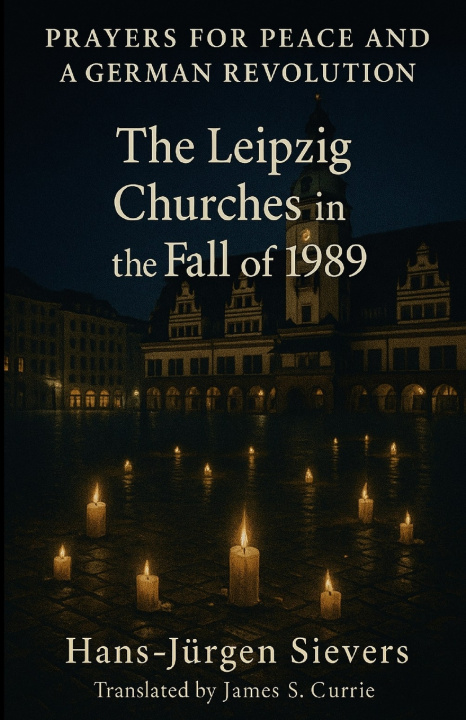
Prayers for Peace and a German Revolution
 Engels
 54 b
54 b
 Nieuw
Nieuw
Tot 30 dagen retourrecht

There are some years in the western world that are memorable for a particular event. In 1054 there was the ecclesiastical schism between east and west, dividing the Roman Church from the Greek Orthodox Church. In 1066 was the Norman invasion of England. In 1215 King John of England signed the Magna Carta. In 1517 Martin Luther posted his 95 theses to the Castle Church door in Wittenberg, Germany. In 1917 was the Russian revolution. And in 1989 there was the remarkable peaceful revolution in East Germany that led to the overthrow of a communist dictatorship and a reunited Germany.
While one recent history of the German Democratic Republic (Katie Hoyer's Beyond the Wall: A History of East Germany) makes no mention of the role churches, ministers, and theologians played in the non-violent aspect of this major development, other sources suggest otherwise. Often at great risk to themselves, church leaders, especially Protestant ones, were instrumental in providing the space and creating the atmospherethat insisted on non-violent demonstrations, even when confronted with harassment and violence from police and "security" forces.
From 1974 till 2005 Hans-Jürgen Sievers was pastor of the Evangelical-Reformed Church in Leipzig. He along with the pastors of St. Nicholas Lutheran Church provided the main pastoral leadership for those hundreds and thousands of East German citizens in Leipzig who demanded change in the country's political system. To be sure, there were similar calls in other cities, but they seemed to take their cue from what was going on in Leipzig. As this volume attests, much of the basis of the theological and pastoral leadership involved prayers, prayers for peace that began on Monday evenings in 1982. Most of the demonstrations that took place did so immediately after prayer services in several Leipzig churches where sermons were preached, songs were sung, and prayers were offered.
This "prayerbook" provides a detailed view of the events that led, eventually, to the fall of the Berlin Wall, the fall of the communist government, and, eventually, the reunification of Germany. It happened in a year that will certainly be noted, if not remembered by many.


Informatie over het boek
Engels
