Contact
 Hoe winkelen bij ons werkt
Bezorging
Winkelgids
 Engels
 267 b
267 b
Retourneren binnen 30 dagen
Klanten kochten ook






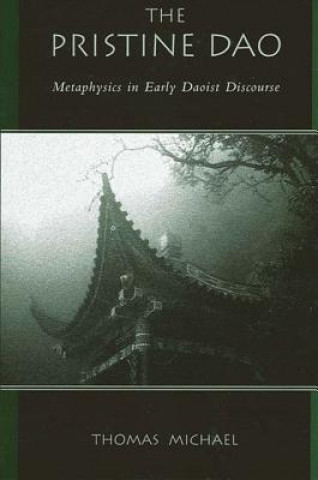
The Laozi (Daodejing) and the Zhuangzi have long been familiar to Western readers and have served as basic sources of knowledge about early Chinese Daoism. Modern translations and studies of these works have encouraged a perception of Daoism as a mystical philosophy heavy with political implications that advises kings to become one with the Dao. Breaking with this standard approach, The Pristine Dao argues that the Laozi and the Zhuangzi participated in a much wider tradition of metaphysical discourse that included a larger corpus of early Chinese writings. This book demonstrates that early Daoist discourse possessed a distinct, textually constituted coherence and a religious sensibility that starkly differed from the intellectual background of all other traditions of early China, including Confucianism. The author argues that this discourse is best analyzed through its emergence from the mythological imagination of early China, and that it was unified by a set of notions about the Dao that was shared by all of its participants. The author introduces certain categories from the Western religious and philosophical traditions in order to bring out the distinctive qualities constituting this discourse and to encourage its comparison with other religious and philosophical traditions.


Informatie over het boek
Engels