Contact
 Hoe winkelen bij ons werkt
Bezorging
Winkelgids
Red Book
 Engels
 527 b
527 b
 TOP
TOP
Retourneren binnen 30 dagen
Klanten kochten ook















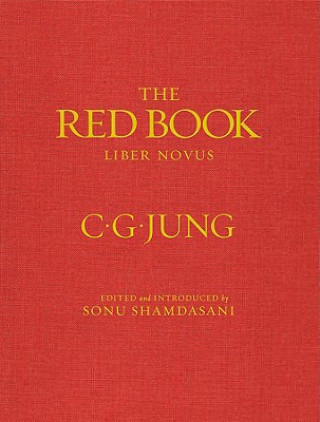
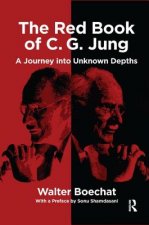
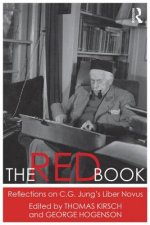
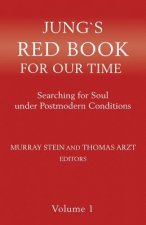
When Carl Jung embarked on the extended self-exploration he called his 'confrontation with the unconscious', the heart of it was "The Red Book", a large, illuminated volume he created between 1914 and 1930. Here he developed his principal theories - of the archetypes, the collective unconscious and the process of individuation - that transformed psychotherapy from a practice concerned with treatment of the sick into a means for higher development of the personality. While Jung considered "The Red Book" to be his most important work, only a handful of people have ever seen it. Now, in a complete facsimile and translation, it is available to scholars and the general public. It is an astonishing example of calligraphy and art on a par with "The Book of Kells" and the illuminated manuscripts of William Blake. The publication of "The Red Book" is a watershed that will cast new light on the making of modern psychology.


Informatie over het boek
Engels

Geef dit boek vandaag nog cadeau
Dat gaat heel eenvoudig
1 Voeg het boek toe aan je winkelwagentje en selecteer Als cadeau bezorgen 2 Je krijgt van ons per omgaand een voucher 3 Het boek wordt bezorgd op het adres van de ontvangerDit vind je misschien ook interessant









 /
/
 Gebonden (paperback)
 15.67
€
15.67
€
 /
Gebonden (harde band)
28.83
€
/
Gebonden (harde band)
28.83
€




 /
Gebonden (paperback)
15.57
€
/
Gebonden (paperback)
15.57
€