
 Contact
 Hoe winkelen bij ons werkt
Bezorging
Winkelgids
 Engels
 199 b
199 b
Tot 30 dagen retourrecht
Klanten kochten ook














 /
/
 Gebonden (paperback)
 32.47
€
32.47
€


 /
Gebonden (paperback)
15.27
€
/
Gebonden (paperback)
15.27
€






 /
Gebonden (paperback)
28.02
€
/
Gebonden (paperback)
28.02
€

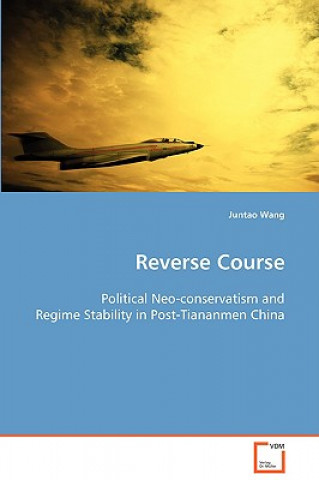
In post-Mao China, when Chinese debate on how to §reorient their modernization, political neo-§conservatism has risen rapidly against liberal §democracy since the early 1990s. This work analyzes §its origins, development, arguments, and political §consequence. The political neo-conservatism includes §various thoughts: neo-authoritarianism, statism, §nationalism, post-modernism, post-colonialism, third §way, China exceptionalism, neo-Confucianism, and new §leftism. The political consequence of the rise of §political neo-conservatism, as opposing radical §democratization, is to maintain non-democracy regime §in China. It is not only a dramatic shift in Chinese §ideology and politics since mid-1970s, but also a §counter-case both to world politics, so-§called third wave of democratization, and to the §popular theory regarding regime transition in §comparative study. This case research on China §strongly confirms the role of ideas in making regime §transition. The author, Ph. D. in comparative §politics of Columbia University, is a leading figure §in both intellectual and political circle, he has §experienced the major political events in post-Mao §China.


Informatie over het boek
Engels
Categorieën

Geef dit boek vandaag nog cadeau
Dat gaat heel eenvoudig
1 Voeg het boek toe aan je winkelwagentje en selecteer Als cadeau bezorgen 2 Je krijgt van ons per omgaand een voucher 3 Het boek wordt bezorgd op het adres van de ontvangerDit vind je misschien ook interessant








 /
Gebonden (harde band)
21.95
€
/
Gebonden (harde band)
21.95
€


 /
Gebonden (harde band)
50.59
€
/
Gebonden (harde band)
50.59
€
 /
Gebonden (paperback)
18.00
€
/
Gebonden (paperback)
18.00
€
 /
Gebonden (paperback)
59.50
€
/
Gebonden (paperback)
59.50
€
 /
Gebonden (paperback)
17.50
€
/
Gebonden (paperback)
17.50
€







Hoi! Ik ben Libroamiko, je boekadviseur.
Hoe kan ik je helpen?