Contact
 Hoe winkelen bij ons werkt
Bezorging
Winkelgids
 Engels
 131 b
131 b
Retourneren binnen 30 dagen
Klanten kochten ook


 /
/
 Gebonden (harde band)
 31.62
€
31.62
€


 /
Gebonden (paperback)
22.42
€
/
Gebonden (paperback)
22.42
€



 /
Gebonden (paperback)
33.94
€
/
Gebonden (paperback)
33.94
€


 /
Gebonden (paperback)
12.12
€
/
Gebonden (paperback)
12.12
€

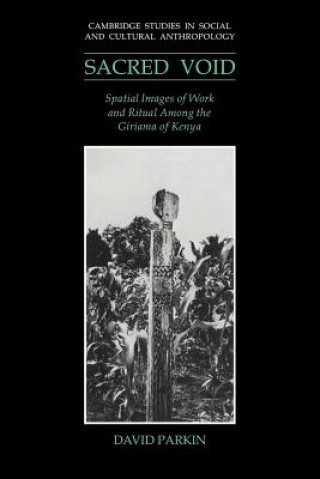
In this innovative study, David Parkin shows how indigenous African rites and beliefs may be reworked to accommodate a variety of economic systems, new spatial and ecological relations between communities, and the locally variable influences of Islam and Christianity. The Giriama people of Kenya include pastoralists living in the hinterland; farmers, who work land closer to the coast; and migrants, who earn money as labourers or fishermen on the coast itself. Wherever they live, they revere an ancient and formerly fortified capital, located in the pastoralist hinterland, which few of them ever see or visit. Their different perspectives sometimes conflict, but together provide a shifting idea of the sacred place. As the site of occasional large-scale ceremonies, moreover, the settlement becomes especially important at times of national crisis. It then acts as a moral core of Giriama society, and a symbolic defence against total domination and assimilation.


Informatie over het boek
Engels