Contact
 Hoe winkelen bij ons werkt
Bezorging
Winkelgids
 Engels
 106 b
106 b
Retourneren binnen 30 dagen
Klanten kochten ook

 /
/
 Gebonden (paperback)
 43.80
€
43.80
€




 /
Gebonden (harde band)
32.57
€
/
Gebonden (harde band)
32.57
€

 /
Gebonden (paperback)
15.07
€
/
Gebonden (paperback)
15.07
€




 /
Gebonden (paperback)
16.18
€
/
Gebonden (paperback)
16.18
€

 /
Gebonden (paperback)
43.80
€
/
Gebonden (paperback)
43.80
€

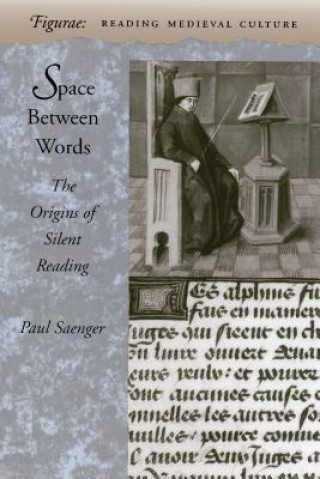
Reading, like any human activity, has a history. Modern reading is a silent and solitary activity. Ancient reading was usually oral, either aloud, in groups, or individually, in a muffled voice. The text format in which thought has been presented to readers has undergone many changes in order to reach the form that the modern Western reader now views as immutable and nearly universal. This book explains how a change in writing the introduction of word separation led to the development of silent reading during the period from late antiquity to the fifteenth century. Over the course of the nine centuries following Rome s fall, the task of separating the words in continuous written text, which for half a millennium had been a function of the individual reader s mind and voice, became instead a labor of professional readers and scribes. The separation of words (and thus silent reading) originated in manuscripts copied by Irish scribes in the seventh and eighth centuries but spread to the European continent only in the late tenth century when scholars first attempted to master a newly recovered corpus of technical, philosophical, and scientific classical texts.


Informatie over het boek
Engels

Geef dit boek vandaag nog cadeau
Dat gaat heel eenvoudig
1 Voeg het boek toe aan je winkelwagentje en selecteer Als cadeau bezorgen 2 Je krijgt van ons per omgaand een voucher 3 Het boek wordt bezorgd op het adres van de ontvangerDit vind je misschien ook interessant





 /
Gebonden (paperback)
10.61
€
/
Gebonden (paperback)
10.61
€


 /
Gebonden (paperback)
22.75
€
/
Gebonden (paperback)
22.75
€









 /
Gebonden (paperback)
24.37
€
/
Gebonden (paperback)
24.37
€
 /
Gebonden (harde band)
44.91
€
/
Gebonden (harde band)
44.91
€


 /
Gebonden (paperback)
39.35
€
/
Gebonden (paperback)
39.35
€