
 Contact
 Hoe winkelen bij ons werkt
Bezorging
Winkelgids
 Engels
 36 b
36 b
 Nieuw
Nieuw
Tot 30 dagen retourrecht

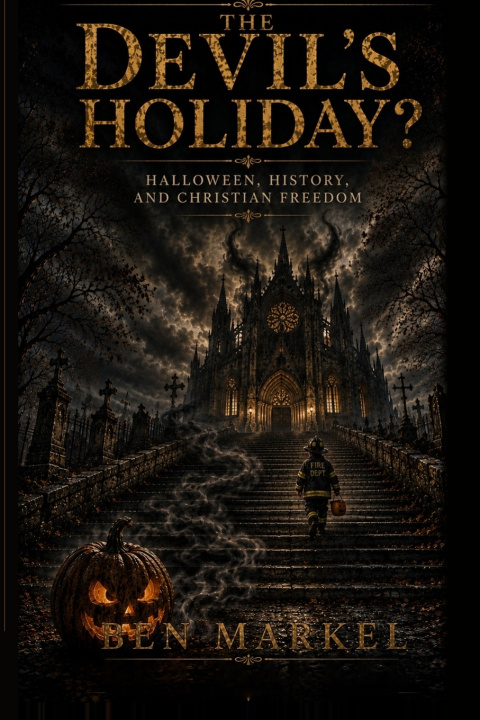
Is Halloween really the devil's holiday? Every October, Christians hear the familiar warnings. Halloween began as the pagan festival of Samhain. Druids went door to door demanding sacrifices. Costumes were worn to deceive wandering spirits. Jack-o'-lanterns came from severed heads. October 31 is Satanism's highest holy day. Horror, decorations, and even ordinary objects can open spiritual doors. Other Christians dismiss the entire discussion. It is only costumes, pumpkins, and candy. History does not matter. Spiritual concerns are superstition. There is nothing worth examining. But what if both reactions are too simple. In The Devil's Holiday?, Ben Markel follows the evidence from ancient Ireland and medieval Hallowtide through the development of trick-or-treating and modern Halloween, the rise of contemporary Satanism, ex-Satanist testimony, and the Satanic Panic. Then the book turns to the more important question: What does Scripture actually require Christians to believe and do? Along the way, The Devil's Holiday? examines idolatry and demons, divination and the occult, horror and frightening imagery, supposedly cursed objects, Christian liberty, conscience, and the difference between depicting darkness and participating in it. This is not a book written to convince every Christian to celebrate Halloween. Neither is it an attempt to prove that October 31 belongs to Satan. It is an investigation of the historical claims, spiritual fears, biblical texts, and inherited assumptions that have shaped the Christian debate. Because neither childhood tradition, cultural habit, frightening testimony, nor confident repetition can settle the question. History matters. Scripture matters more. Fear is not a substitute for either.


Informatie over het boek
Engels

Geef dit boek vandaag nog cadeau
Dat gaat heel eenvoudig
1 Voeg het boek toe aan je winkelwagentje en selecteer Als cadeau bezorgen 2 Je krijgt van ons per omgaand een voucher 3 Het boek wordt bezorgd op het adres van de ontvangerHoi! Ik ben Libroamiko, je boekadviseur.
Hoe kan ik je helpen?