
 Contact
 Hoe winkelen bij ons werkt
Bezorging
Winkelgids
 Engels
 193 b
193 b
Retourneren binnen 30 dagen
Klanten kochten ook













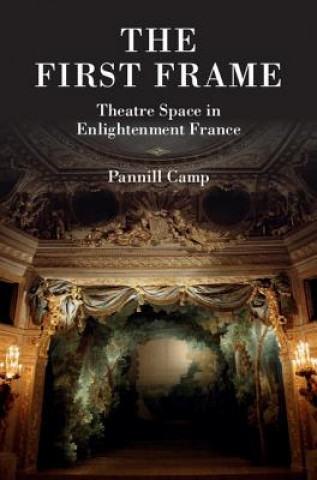
In the late eighteenth century, a movement to transform France's theatre architecture united the nation. Playwrights, philosophers, and powerful agents including King Louis XV rejected the modified structures that had housed the plays of Racine and Moliere, and debated which playhouse form should support the future of French stagecraft. In The First Frame, Pannill Camp argues that these reforms helped to lay down the theoretical and practical foundations of modern theatre space. Examining dramatic theory, architecture, and philosophy, Camp explores how architects, dramatists, and spectators began to see theatre and scientific experimentation as parallel enterprises. During this period of modernisation, physicists began to cite dramatic theory and adopt theatrical staging techniques, while playwrights sought to reveal observable truths of human nature. Camp goes on to show that these reforms had consequences for the way we understand both modern theatrical aesthetics and the production of scientific knowledge in the present day.


Informatie over het boek
Engels

Geef dit boek vandaag nog cadeau
Dat gaat heel eenvoudig
1 Voeg het boek toe aan je winkelwagentje en selecteer Als cadeau bezorgen 2 Je krijgt van ons per omgaand een voucher 3 Het boek wordt bezorgd op het adres van de ontvangerDit vind je misschien ook interessant






Hoi! Ik ben Libroamiko, je boekadviseur.
Hoe kan ik je helpen?