
 Contact
 Hoe winkelen bij ons werkt
Bezorging
Winkelgids
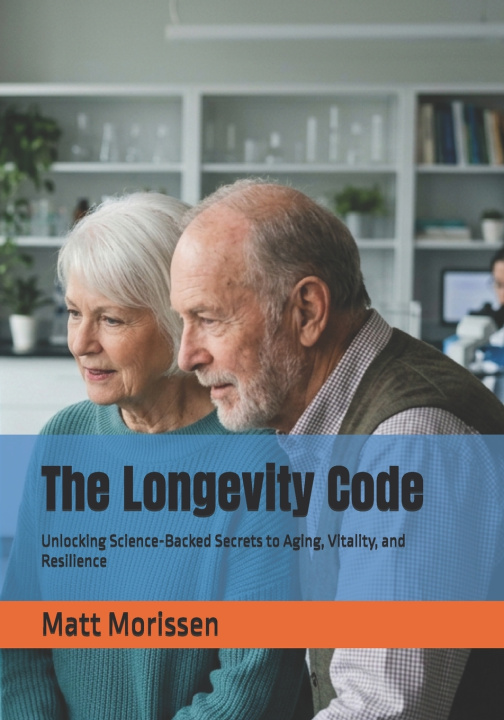
The Longevity Code
Unlocking Science-Backed Secrets to Aging, Vitality, and Resilience
 Engels
 71 b
71 b
 Wordt verwacht
 Nieuw
Nieuw
Retourneren binnen 30 dagen

The Longevity Code presents a comprehensive, science-based framework for understanding and optimizing the aging process. The book reframes aging not as inevitable decline but as a dynamic, modifiable journey toward vitality and resilience. It integrates cutting-edge research on cellular biology, genetics, metabolism, nutrition, exercise, sleep, stress, hormones, social connections, and emerging therapies into actionable strategies for extending healthspan-the years of life lived in robust health-rather than merely prolonging lifespan.
The Longevity Code begins by exploring the fundamental biology of aging, including cellular senescence (where damaged cells accumulate and secrete inflammatory factors), telomere shortening, oxidative stress, and chronic inflammation ("inflammaging"). It emphasizes that these processes are not fixed but can be influenced by lifestyle choices. The role of genetics is examined alongside epigenetics-the reversible modifications that regulate gene expression in response to environment and behavior-highlighting that while genes provide a blueprint, daily choices shape the outcome.
Metabolic health emerges as a central pillar, with detailed discussions of mitochondrial function, caloric restriction, intermittent fasting, and insulin resistance. The Longevity Code presents nutrition as a personalized tool, balancing macronutrients and incorporating antioxidant-rich, anti-inflammatory foods while using supplements judiciously based on individual biomarkers and genetic profiles. Exercise is dissected into endurance training (for cardiovascular and mitochondrial benefits), strength training (to combat sarcopenia), flexibility (for injury prevention), and recovery (for tissue repair and hormonal balance).
Mental resilience is addressed through neuroplasticity, mindfulness, stress reduction, and cognitive training. Sleep is presented as "the ultimate rejuvenator," with emphasis on sleep architecture and circadian rhythms. Hormonal changes-including declines in sex hormones, growth hormone, and IGF-1-are explored alongside cautious use of hormone replacement therapy. The book also examines chronic stress, immune system decline, and the profound impact of social connections and community engagement on longevity.
Emerging anti-aging therapies-stem cell research, senolytics (drugs that clear senescent cells), and gene editing (CRISPR)-are discussed with both optimism and caution. Environmental factors, including pollution and detoxification strategies, are addressed alongside practical guidance for creating healthy living spaces. The Longevity Code concludes with integrative longevity planning, preventive medicine, and cultural perspectives that blend Eastern philosophies (Ayurveda, yoga, mindfulness) with Western scientific approaches, culminating in a hopeful vision for humanity's future with extended, vibrant lifespans.


Informatie over het boek
Engels
