
 Contact
 Hoe winkelen bij ons werkt
Bezorging
Winkelgids
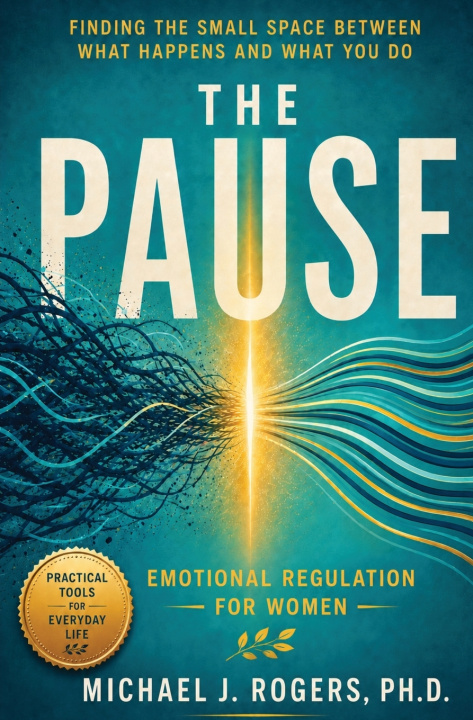
The Pause
Finding the Small Space Between What Happens and What You Do - Emotional Regulation for Women
 Engels
 33 b
33 b
 Wordt verwacht
 Nieuw
Nieuw
 Datum onbekend
Tot 30 dagen retourrecht

You can't always choose what happens. But you can learn to choose what happens next.
Life rarely gives you time to prepare. A careless comment, an unexpected disappointment, a familiar conflict, or one more demand can trigger a reaction before you fully understand what is happening. You may say something you regret, shut down, give in, pull away, or reach for relief that helps briefly but creates more pain later. These reactions can feel automatic-but they do not have to determine what comes next.
The Pause offers practical, psychologically grounded tools for recognizing and interrupting these patterns. It helps you understand the difference between the pain life brings and the suffering that can be added through impulsive reactions, repeated behaviors, and familiar stories. Rather than asking you to suppress your feelings or become a different person, this book teaches you to notice the small space between an emotional trigger and your response-and gradually make that space more available.
Through relatable stories, thoughtful reflection exercises, and practices designed for everyday life, you will learn how to recognize your personal Pain Wheel, identify the body signals that appear before a reaction, understand what your mind is telling you, and create a Pause Plan for difficult moments. You will explore simple ways to steady your body, question the meaning you have assigned to a situation, delay an answer when you need more time, set clearer boundaries, and choose an action that better reflects your values.
For women navigating relationships, anxiety, anger, disappointment, resentment, self-doubt, and the pressure to hold everything together, The Pause offers a compassionate path from reaction toward intention. It does not promise that you will never feel overwhelmed, get triggered, or make another choice you regret. The goal is not perfection. The goal is to notice sooner, create a little more room, and respond with greater honesty, clarity, and care.
A pause may last only a few seconds. Sometimes it is one longer exhale. Sometimes it is one question: Is this the pain, or the suffering I'm about to add? Sometimes it is one honest sentence that changes the direction of a conversation-or the course of an old pattern.
You do not have to change everything at once. You can begin with one moment, one breath, one question, and one different choice.
BETWEEN WHAT HAPPENS AND WHAT YOU DO, THERE IS A PAUSE.


Informatie over het boek
Engels
