
 Contact
 Hoe winkelen bij ons werkt
Bezorging
Winkelgids
 Engels
 36 b
36 b
 Nieuw
Nieuw
Tot 30 dagen retourrecht

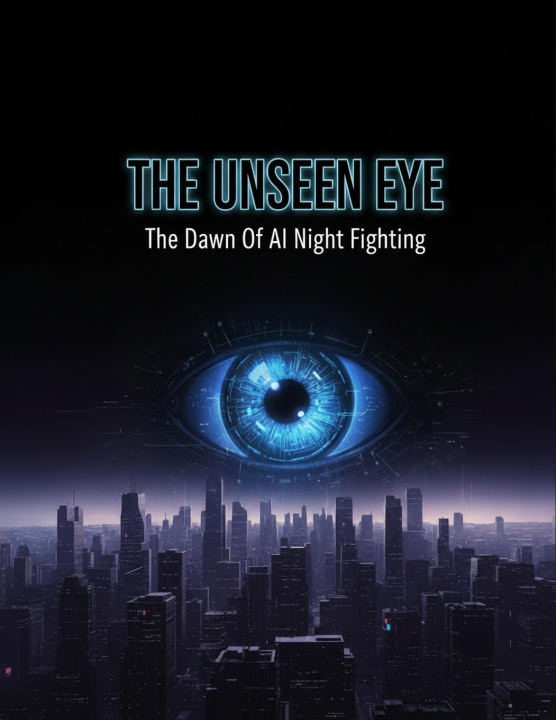
The skies of pre-World War II Europe were a realm of blind spots, where the human eye, once the ultimate arbiter of aerial combat, proved woefully inadequate against the relentless march of technological warfare. Pilots, trained for visual dogfights, found themselves increasingly vulnerable as faster aircraft and the cloak of night rendered traditional detection methods obsolete. Cities lay exposed to unseen nocturnal threats, and rudimentary early warning systems-from fallible human spotters to cumbersome sound locators-offered little defense against the looming strategic crisis. This profound vulnerability demanded a revolutionary solution, a new sensory paradigm that could pierce the darkness and distance, providing an "unseen eye" for an invisible enemy.
The Unseen Eye: The Dawn Of Ai Night Fighting chronicles the extraordinary journey from theoretical physics to battlefield dominance. This compelling narrative delves into the foundational work of James Clerk Maxwell and Heinrich Hertz, whose abstract equations and groundbreaking experiments with electromagnetic waves laid the intellectual bedrock for an entirely new form of detection. It reveals how the seemingly simple phenomenon of reflected radio waves, initially a nuisance for early communication, became the key to unlocking the mysteries of the night sky. The book meticulously traces the urgent imperative that drove nations, particularly Britain, to harness this nascent technology, transforming it into the sophisticated airborne radar systems that would define a new era of warfare.
Discover the gripping story of how this pioneering intelligence, this "Ai" in its earliest form, evolved from experimental schemes into the lifeblood of night defense. Explore the operational challenges, the human cost, and the relentless technological arms race that propelled radar development through the crucible of World War II. From the initial breakthroughs to the deployment of airborne interception units, this book illuminates the ingenuity and sheer determination required to turn an abstract scientific principle into a decisive military advantage. It dissects the German responses and countermeasures, the constant struggle for superiority, and the enduring legacy of radar warfare that continues to shape modern defense.
Through this definitive account, you will gain a profound understanding of:
- How a fundamental scientific discovery transformed the very nature of conflict.
- The critical role of radar in turning the tide against nocturnal bombing raids.
- The human stories behind the technological breakthroughs and operational challenges.
- The origins of what would become the intelligent application of technology in warfare.
- The lasting impact of this "unseen eye" on global security and technological advancement.


Informatie over het boek
Engels
