
 Contact
 Hoe winkelen bij ons werkt
Bezorging
Winkelgids
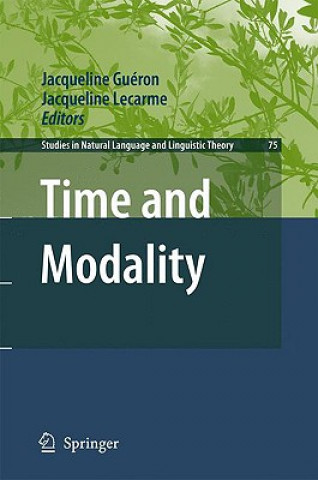
Time and Modality
 Engels
 444 b
444 b
Tot 30 dagen retourrecht
Klanten kochten ook





The papers in this volume were ?rstpresented at the International Round Table Time and Modality held in Paris in December of 2005 and organized by the Jeune Equipe B 368 Syntaxe anglaise et syntaxe comparative (Universite Paris3-Sorbonne Nouvelle) and by the Laboratoire de Linguistique Formelle (Centre National dela Recherche Scienti?que (CNRS) and UniversiteP aris 7). We wish to thank the institutions that provided ?nancial support for the Round Table: the CNRS, the Laboratoire de Linguistique Formelle,the Conseil Sci- ti?que(Universite s Paris3 and Paris 7) and the Bureaudes Relations Internationales (UniversiteP aris3). vii Contents Preface . . . . . . . . . . . . . . . . . . . . . . . . . . . . . . . . . . . . . . . . . . . . . . . . . . . . . . . . . . . . vii Contributors . . . . . . . . . . . . . . . . . . . . . . . . . . . . . . . . . . . . . . . . . . . . . . . . . . . . . . . xv Introduction . . . . . . . . . . . . . . . . . . . . . . . . . . . . . . . . . . . . . . . . . . . . . . . . . . . . 1 1Tense . . . . . . . . . . . . . . . . . . . . . . . . . . . . . . . . . . . . . . . . . . . . . . . . . . . 2 2Aspect . . . . . . . . . . . . . . . . . . . . . . . . . . . . . . . . . . . . . . . . . . . . . . . . . . 3 2. 1 Perfectand Perfectivity . . . . . . . . . . . . . . . . . . . . . . . . . . . . . 3 2. 2 Eventuality Type . . . . . . . . . . . . . . . . . . . . . . . . . . . . . . . . . . 4 3 Modals and Modal Verbs . . . . . . . . . . . . . . . . . . . . . . . . . . . . . . . . . . . 5 3. 1 Subject/Speaker Orientation . . . . . . . . . . . . . . . . . . . . . . . . . 5 3. 2 The Temporal Location of Modal Verbs . . . . . . . . . . . . . . . 6 3. 3 The Temporal/Causal Function of Modal Verbs . . . . . . . . 7 3. 4 The Temporal Syntax of Non-Root Modals . . . . . . . . . . . . 8 3. 5 Weak Necessity Modals . . . . . . . . . . . . . . . . . . . . . . . . . . . . 9 4 The Role of Past Morphology in Modal Contexts . . . . . . . . . . . . . . . 9 5 The Subjunctive . . . . . . . . . . . . . . . . . . . . . . . . . . . . . . . . . . . . . . . . . . 10 6 Genericity . . . . . . . . . . . . . . . . . . . . . . . . . . . . . . . . . . . . . . . . . . . . . . . 11 7Copular Clauses . . . . . . . . . . . . . . . . . . . . . . . . . . . . . . . . . . . . . . . . . . 11 8Conclusions and Open Problems. . . . . . . . . . . . . . . . . . . . . . . . . . . . . 12 References . . . . . . . . . . . . . . . . . . . . . . . . . . . . . . . . . . . . . . . . . . . . . . . . . . . . . 14 Patterns in the Semantics of Generic Sentences . . . . . . . . . . . . . . . . . . . . . . 17 Greg Carlson 1 The Setting . . . . . . . . . . . . . . . . . . . . . . . . . . . . . . . . . . . . . . . . . . . . . . 17 2TheIssues . . . . . . . . . . . . . . . . . . . . . . . . . . . . . . . . . . . . . . . . . . . . . . . 18 3 Induction and Stipulation . . . . . . . . . . . . . . . . . . . . . . . . . . . . . . . . . . . 22 3. 1 Rules and Induction . . . . . . . . . . . . . . . . . . . . . . . . . . . . . . . 22 3. 2 What do Generic Sentencesdo? . . . . . . . . . . . . . . . . . . . . . 23 3. 3 Inductive Generalizations Again . . . . . . . . . . . . . . . . . . . . . 24 ix x Contents 4 Patterns . . . . . . . . . . . . . . . . . . . . . . . . . . . . . . . . . . . . . . . . . . . . . . . . . 25 4. 1 Patterns and Non-Patterns . . . . . . . . . . . . . . . . . . . . . . . . . . 25 4. 2 Generic Sentences . . . . . . . . . . . . . . . . . . . . . . . . . . . . . . . . . 27 4. 3 Restriction . . . . . . . . . . . . . . . . . . . . . . . . . . . . . . . . . . . . . . .


Informatie over het boek
Engels
Categorieën

Geef dit boek vandaag nog cadeau
Dat gaat heel eenvoudig
1 Voeg het boek toe aan je winkelwagentje en selecteer Als cadeau bezorgen 2 Je krijgt van ons per omgaand een voucher 3 Het boek wordt bezorgd op het adres van de ontvangerDit vind je misschien ook interessant





Hoi! Ik ben Libroamiko, je boekadviseur.
Hoe kan ik je helpen?