
 Contact
 Hoe winkelen bij ons werkt
Bezorging
Winkelgids
 Engels
 306 b
306 b
Tot 30 dagen retourrecht
Klanten kochten ook

 /
/
 Gebonden (harde band)
 15.09
€
15.09
€









 /
Gebonden (paperback)
18.43
€
/
Gebonden (paperback)
18.43
€




 /
Gebonden (paperback)
16.81
€
/
Gebonden (paperback)
16.81
€


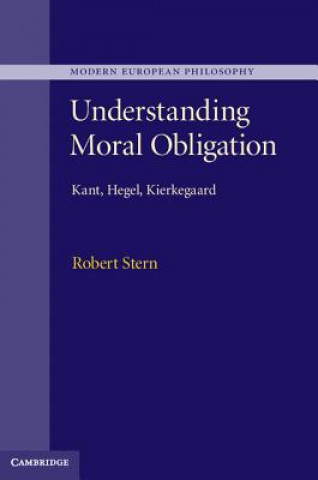
In many histories of modern ethics, Kant is supposed to have ushered in an anti-realist or constructivist turn by holding that unless we ourselves 'author' or lay down moral norms and values for ourselves, our autonomy as agents will be threatened. In this book, Robert Stern challenges the cogency of this 'argument from autonomy', and claims that Kant never subscribed to it. Rather, it is not value realism but the apparent obligatoriness of morality that really poses a challenge to our autonomy: how can this be accounted for without taking away our freedom? The debate the book focuses on therefore concerns whether this obligatoriness should be located in ourselves (Kant), in others (Hegel) or in God (Kierkegaard). Stern traces the historical dialectic that drove the development of these respective theories, and clearly and sympathetically considers their merits and disadvantages; he concludes by arguing that the choice between them remains open.


Informatie over het boek
Engels

Geef dit boek vandaag nog cadeau
Dat gaat heel eenvoudig
1 Voeg het boek toe aan je winkelwagentje en selecteer Als cadeau bezorgen 2 Je krijgt van ons per omgaand een voucher 3 Het boek wordt bezorgd op het adres van de ontvangerDit vind je misschien ook interessant
 /
Gebonden (paperback)
50.16
€
/
Gebonden (paperback)
50.16
€






 /
Gebonden (paperback)
11.24
€
/
Gebonden (paperback)
11.24
€

 /
Gebonden (paperback)
10.33
€
/
Gebonden (paperback)
10.33
€
 /
Gebonden (paperback)
51.47
€
/
Gebonden (paperback)
51.47
€















Hoi! Ik ben Libroamiko, je boekadviseur.
Hoe kan ik je helpen?