Contact
 Hoe winkelen bij ons werkt
Bezorging
Winkelgids
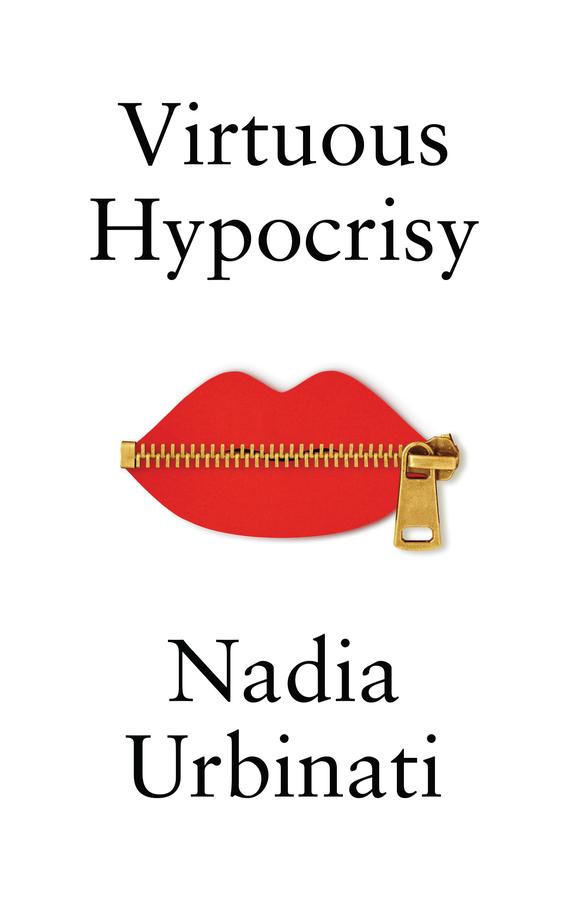
Virtuous Hypocrisy
 Engels
 123 b
123 b
Retourneren binnen 30 dagen
Klanten kochten ook








 /
/
 Gebonden (paperback)
 12.74
€
12.74
€



 /
Gebonden (paperback)
17.29
€
/
Gebonden (paperback)
17.29
€













Speak your mind, always. Hypocrisy challenges this rule of authenticity, and for this very reason hypocrisy is judged negatively, as intentional inconsistency between thoughts and words, between belief and behaviour. Does this make the hypocrite a silent saboteur of the moral order? A person who hides in the shadows and erodes the foundations of trust? Without trust there is no society, no friendship, no love. But is hypocrisy always reprehensible? Nadia Urbinati argues that society, friendship and love all require a measure of hypocrisy – what she calls ‘virtuous hypocrisy’. If we were always uncompromisingly honest in public, it would be a disaster for everyone. Sometimes it is better to refrain from speaking your mind: hypocrisy can be a form of civility and a sign of maturity and autonomy. And in politics too, a degree of hypocrisy and inconsistency is essential. The important thing is to understand when and within what limits hypocrisy can be justified, and to avoid it becoming systematic and leading to outright lying and deception. Urbinati does not praise hypocrisy unconditionally but argues that a degree of hypocrisy is essential to the smooth functioning of our social and political life. This perceptive reappraisal of a much-maligned concept will be of interest to students and academics in politics and political theory and to a wide general readership.


Informatie over het boek
Engels
Categorieën

Geef dit boek vandaag nog cadeau
Dat gaat heel eenvoudig
1 Voeg het boek toe aan je winkelwagentje en selecteer Als cadeau bezorgen 2 Je krijgt van ons per omgaand een voucher 3 Het boek wordt bezorgd op het adres van de ontvangerDit vind je misschien ook interessant





 /
Gebonden (paperback)
14.26
€
/
Gebonden (paperback)
14.26
€
 /
Boek
67.17
€
/
Boek
67.17
€

 /
Gebonden (paperback)
19.21
€
/
Gebonden (paperback)
19.21
€


 /
Gebonden (paperback)
205.48
€
/
Gebonden (paperback)
205.48
€



 /
Gebonden (paperback)
9.40
€
/
Gebonden (paperback)
9.40
€