
 Contact
 Hoe winkelen bij ons werkt
Bezorging
Winkelgids
 Engels
 40 b
40 b
Retourneren binnen 30 dagen
Klanten kochten ook
















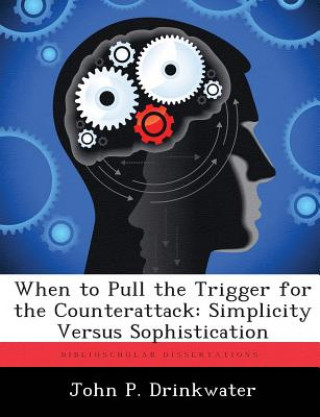
This study is a comparative analysis of current U.S. Army doctrine at the division level with the historical experience of the German Army in World War II on the Eastern Front, specifically that of the 48th Panzer Corps in battles along the Chir River during the period 6 - 22 December 1942, to determine key considerations in assessing the right time to execute tactical level counterattacks against Soviet-style offensive operations. It identifies the specific factors that the 48th Panzer Corps considered, assesses how they affected the outcome of the battles, describes current doctrine, and examines the adequacy and implications of current doctrine in light of the German experience. The study suggests that counterattacks can be on time or late, but rarely will they be early. The conclusion of the study is that timing tactical-level counterattacks depends not on some mythical or sophisticated determination of the 'right time' ;, but rather on more fundamental precepts embodied in the principles of war. Deciding when to counterattack is a problem of making the decision within the context of the battle itself, consistent with the generally accepted principles of surprise and mass.


Informatie over het boek
Engels
Categorieën

Geef dit boek vandaag nog cadeau
Dat gaat heel eenvoudig
1 Voeg het boek toe aan je winkelwagentje en selecteer Als cadeau bezorgen 2 Je krijgt van ons per omgaand een voucher 3 Het boek wordt bezorgd op het adres van de ontvangerDit vind je misschien ook interessant
 /
/
 Gebonden (paperback)
 56.30
€
56.30
€




 /
Gebonden (paperback)
6.78
€
/
Gebonden (paperback)
6.78
€















 /
Gebonden (paperback)
27.84
€
/
Gebonden (paperback)
27.84
€

Hoi! Ik ben Libroamiko, je boekadviseur.
Hoe kan ik je helpen?